
Independence Products And Educational Toys - One Stop Shop
Our Web Site strives to offer a range of products to purchase that enhance self-sufficiency for daily living - And Toys that provide learning as well as play. Live and Grow from immediate use of The Products or as Thoughtful Gifts for family, friends and others.
Easy Find Your Product
Click on a Category below to see products available for Sale


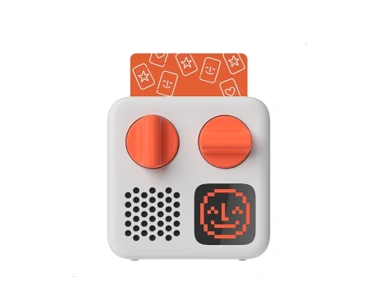
Popular Products & Gift Ideas
Click on a Section Below to See Items For Sale

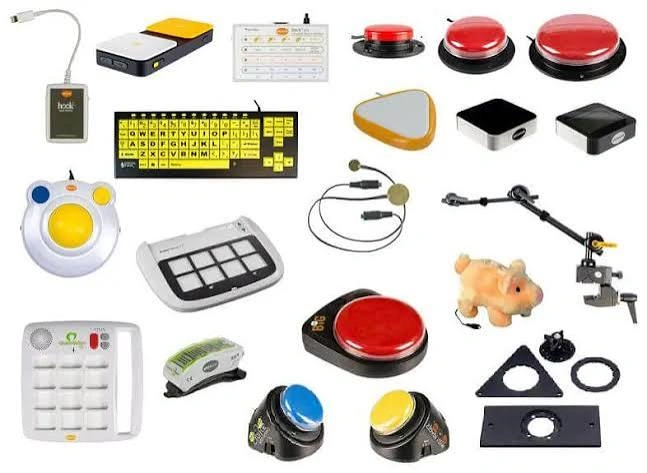
Live And Grow Hot Topics
Of Popular Interest
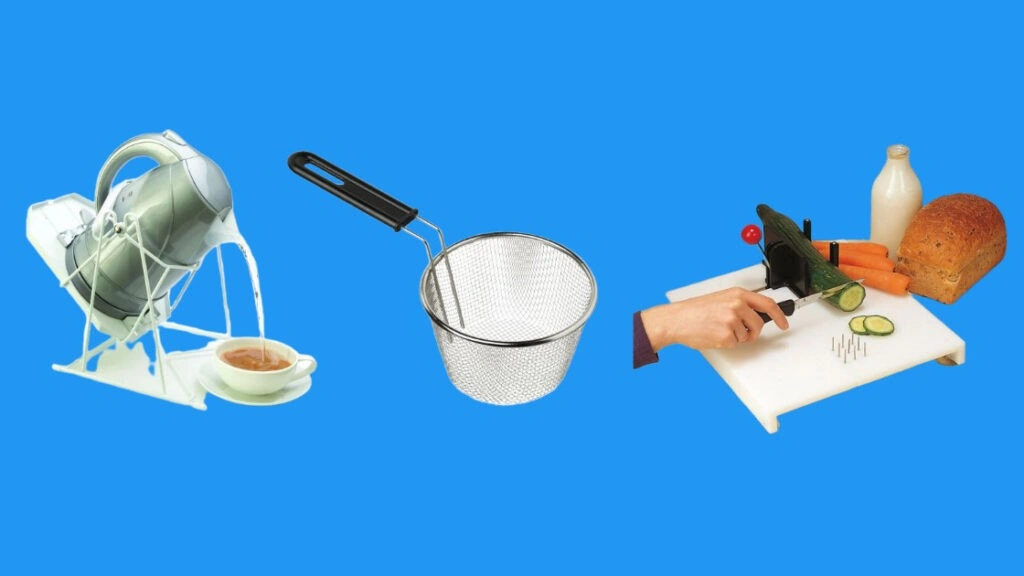
Kitchen Aids That Make Things Easier & Safer
Kitchen Aids That Make Things Easier & Safer
Cooking should be a joy, but physical impairments can make traditional kitchen tasks painful or exhausting. Fortunately, adaptive kitchen aids are designed to make cooking accessible, safe, and effortless for everyone.
· Ergonomic Design: Tools with non-slip, built-up handles or weighted grips provide stability for those with arthritis or limited hand strength.
· Effortless Automation: One-touch electric openers, automated choppers, and voice-controlled smart appliances eliminate the need for heavy lifting or repetitive straining.
· Safety First: Stability mats, tilt-to-pour kettles, and secure cutting boards prevent slips and burns, offering complete peace of mind.
Empower your independence and rediscover the joy of cooking today!
A wide array of assistive products can help individuals with impairments navigate the kitchen safely, independently, and comfortably. These tools are typically broken down by function:
1. Food Preparation & Chopping Aids
Spiked/Pronged Cutting Boards: Feature built-in stainless steel spikes or clamps to hold fruits, vegetables, or bread securely in place for one-handed chopping.
Corner Guard / Suction Prep Boards: Boards equipped with non-slip suction feet and raised edges to stop food from sliding around.
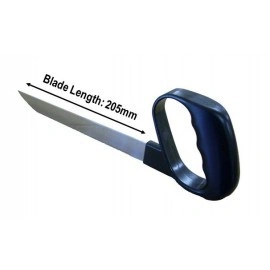
Rocker Knives: Feature a curved blade that allows users to rock back and forth to slice food using minimal wrist strain or downward force.
Safety Knives (e.g., KiddiKutter): Designed to slice through food effectively while making it virtually impossible to cut skin, ideal for cognitive or motor impairments.
Self-Opening Kitchen Shears: Spring-loaded scissors that automatically reopen after each cut, reducing hand fatigue.
2. Opening & Leverage Aids
One-Touch Electric Can Openers: Hands-free devices that latch onto a can, cut smoothly along the side without sharp edges, and stop automatically.
Electric or Under-Cabinet Jar Openers: Automated or mounted lever tools that grip and twist stubborn vacuum-sealed lids open with a single button press.
Rubber Grip Pads & Multi-Openers: Flexible silicone cones or multi-use wedges that maximize manual traction on stubborn bottle caps and jars.
3. Pouring & Hot Liquid Safety
Kettle Tippers: Cradles or frames that securely hold a heavy kettle and allow the user to tilt it smoothly to pour water without lifting its weight.
Ergonomic / Weighted Tipping Kettles: Specially balanced kettles (such as the Uccello kettle) designed to pivot on a circular base so water flows effortlessly into a cup.
Liquid Level Indicators: Small clip-on devices that hang over the rim of a cup and emit a beep or vibration when the liquid reaches the top, preventing overflows for individuals with visual impairments.
4. Cutlery & Eating Aids
Weighted Utensils: Provide gentle sensory feedback and extra stability for individuals experiencing hand tremors (e.g., from Parkinson's disease).
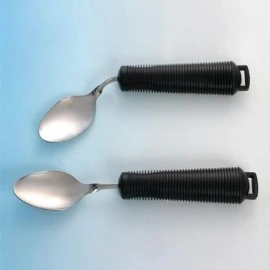
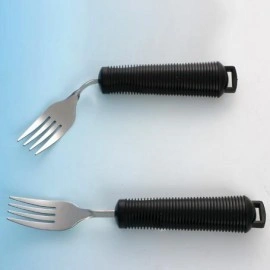
Angled or Bendable Cutlery: Spoons and forks engineered with flexible or pre-bent shafts to guide food smoothly to the mouth without awkward wrist twisting.
Grip Straps / Cuffs: Adjustable straps that wrap around the hand to secure a utensil in place for individuals with little to no gripping strength.
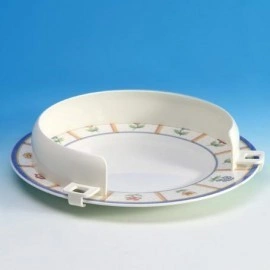
Scoop Plates & Plate Guards: High-rimmed dishes or snap-on curved guards that allow users to push food easily onto a fork or spoon without spilling it over the edge.
5. Smart & Automation Technology
Smart Speakers & Voice Assistants: Allow users to set hands-free cooking timers, convert measurements, and read recipes aloud using voice commands.
Auto-Shutoff Induction Cooktops & Timers: Prevent fire hazards by automatically cutting heat if a pot boils dry or if a burner is left on unattended.
Below is a range of the above items currently on the Australian market for sale:
Kitchen & Dining
Bottle Opener
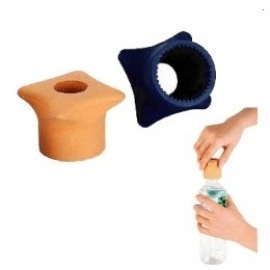
Jar Opener
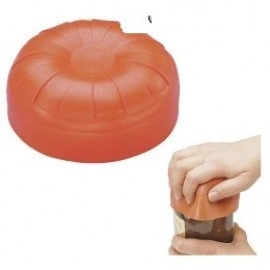
Jar Opener
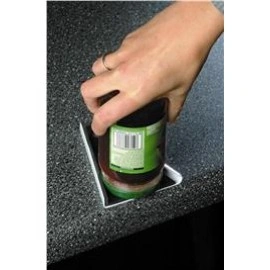
Tap Turner
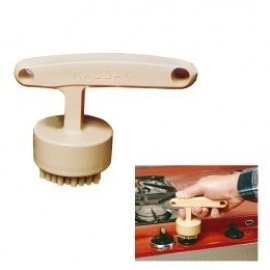
Peeler Clamp
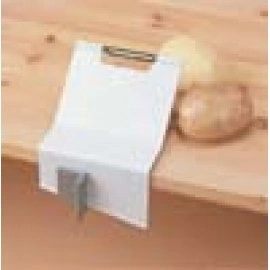
Scoop Bowl

Scoop Plate

Plate Guard
Spoon Built Up / Bendable
Fork Built Up / Bendable
Knife Built Up / Rocker

Knife Ergonomic / Slicing
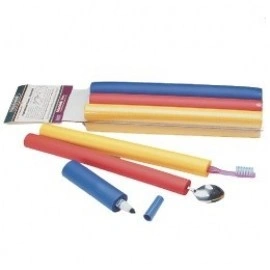
Foam Tubing for Cutlery
Drinking Cup
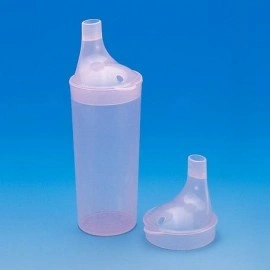
Cut Nose Cut Out Cup

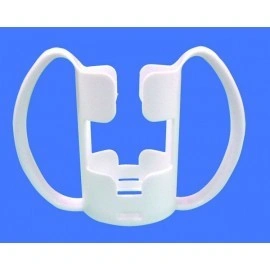
Cup Holder
Educational Toys That Grow With Your Child
Educational Toys That Grow With Your Child
Below is a set of information around educational toys, written to be useful to parents, carers, educators and anyone looking for toys that support children's development.
1. Educational Toys: Learning Through Play
2. How to Choose the Right Educational Toy
3. Educational Toys for Different Stages of Development
4. Educational Toys for Children With Different Learning Needs
5. Educational Toys That Grow With Your Child
1. Educational Toys: Learning Through Play
Play is one of the most natural ways children learn. Educational toys can turn everyday play into opportunities to explore, experiment, solve problems and develop new skills.
Educational toys are designed to encourage children to learn while they play. They can support areas such as fine motor skills, problem-solving, communication, creativity, concentration, social interaction and early academic skills.
The best educational toys don't necessarily feel like "learning" to a child. Instead, they encourage curiosity and allow children to discover how things work at their own pace.
What can educational toys help develop?
Fine motor skills Building blocks, puzzles, threading toys, peg boards and construction activities can help children practise grasping, placing, connecting and manipulating objects.
Problem-solving skills Puzzles, matching games, construction sets and cause-and-effect toys encourage children to think about solutions and try different approaches.
Language and communication Books, pretend-play toys, picture cards and interactive games can encourage children to communicate, describe what they are doing and develop vocabulary.
Creativity and imagination Art materials, building toys, dolls, pretend-play sets and open-ended resources give children opportunities to create their own ideas and stories.
Early learning Counting toys, alphabet resources, sorting activities, shapes, colours and simple games can introduce early mathematical and literacy concepts.
Learning doesn't need to be complicated
An educational toy doesn't have to contain technology or have lots of features. Sometimes the simplest toys provide the greatest opportunities for children to explore and create.
A set of blocks, for example, can become a tower, a bridge, a house or an imaginary city. The child decides what to build and learns through the process.
The most valuable educational toy is often one that encourages a child to participate rather than simply watch.
2. How to Choose the Right Educational Toy
Choosing an educational toy can be challenging because there are so many options available. Rather than choosing a toy simply because it is labelled "educational", consider what the child enjoys, what they are currently learning and what skills you would like to encourage.
Consider the child's age and development
A toy should be appropriate for the child's developmental stage. Look for activities that offer an achievable challenge without being so difficult that the child becomes frustrated.
Think about the skills you want to encourage
Different toys support different areas of development.
Examples of toys
Fine motor skills
Pegs, threading toys, puzzles, construction toys
Problem solving
Puzzles, matching games, building sets
Creativity
Drawing, craft, construction and open-ended toys
Language
Books, puppets, pretend-play resources
Numeracy
Counting games, sorting and number activities
Social skills
Board games, cooperative games and pretend play
Sensory exploration
Texture, movement and tactile toys
Follow the child's interests
A child who loves animals may be more interested in an animal puzzle or farm set than a toy specifically marketed as an educational resource.
Using existing interests can make learning more engaging.
Look for open-ended play
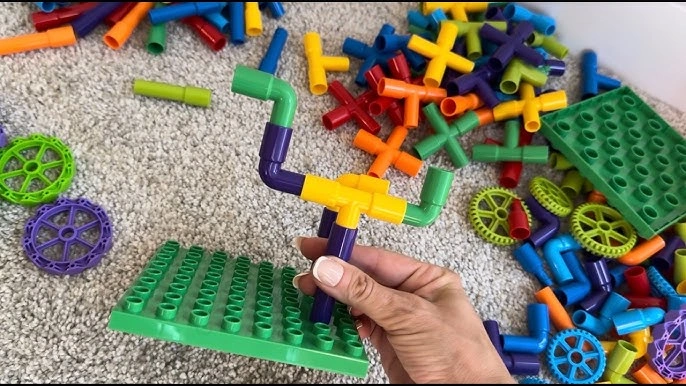
Open-ended toys can be used in different ways and don't have one predetermined outcome. Blocks, construction materials, pretend-play resources and art supplies are good examples.
These toys can grow with a child because the way they are used can change as the child's skills and imagination develop.
Don't forget fun
Children learn best when they are interested and engaged.
An educational toy doesn't need to teach a specific lesson every time it is used. Enjoyment, exploration and curiosity are valuable parts of learning too.
3. Educational Toys for Different Stages of Development
Children's interests and abilities change rapidly as they grow. Choosing toys that match their current stage can help provide an appropriate level of challenge while keeping play enjoyable.
Babies and young toddlers
Early play can focus on exploration and sensory experiences.
Suitable toys may include:
o Soft blocks
o Stacking toys
o Simple shape sorters
o Textured toys
o Large-piece puzzles
o Cause-and-effect toys
o Musical and sound-making toys
These activities can encourage reaching, grasping, coordination, exploration and early understanding of cause and effect.
Toddlers and preschool children
At this stage, children are developing greater independence and beginning to use imagination in their play.
Toys may include:
o Building blocks
o Puzzles
o Matching games
o Pretend-play sets
o Dolls and figures
o Drawing and craft materials
o Counting and sorting activities
o Simple construction toys
Play can encourage language, fine motor development, early numeracy, problem solving and imaginative thinking.
Early school years
Older children can benefit from toys and games that introduce more complex challenges.
Examples include:
o Strategy games
o Construction sets
o Science kits
o Advanced puzzles
o Board games
o Word and spelling games
o Mathematical games
o Coding and technology-based resources
These activities can encourage logical thinking, concentration, planning and independent problem solving.
Every child develops differently
Age recommendations are useful when selecting toys, but they should not be treated as a strict measure of a child's abilities.
Children have different interests, strengths and developmental pathways. The right toy is one that is safe, appropriate and engaging for the individual child.
4. Educational Toys for Children With Different Learning Needs
Educational toys can also provide valuable opportunities for children who learn, communicate or interact with the world in different ways.
The key is to focus on the individual child rather than the label.
Some children may benefit from toys that provide additional sensory input, while others may prefer quieter activities with predictable outcomes.
Sensory play
Sensory toys and activities can provide opportunities to explore texture, movement, sound, colour and other sensory experiences.
Examples may include:
o Tactile materials
o Sensory balls
o Textured objects
o Simple musical instruments
o Construction materials
o Water or sand play
o Light and visual activities
Fine motor development
Some children may benefit from activities that encourage grasping, manipulating and coordinating their hands.
Useful options can include:
o Peg boards
o Large-piece puzzles
o Threading activities
o Construction toys
o Playdough
o Posting and sorting activities
Communication and social interaction
Pretend play, puppets, picture-based games and turn-taking activities can create opportunities for children to communicate and interact with others.
Cause-and-effect learning
Toys that respond when a child presses, pulls, pushes or moves something can help children understand cause and effect.
These activities can be particularly useful when a child enjoys repetition and predictable responses.
Choosing for the individual child
There is no single "best" educational toy for every child. Consider the child's interests, abilities, sensory preferences, communication style and the type of play they enjoy.
For children with specific developmental or functional needs, advice from an appropriate professional can also help identify suitable play and learning resources.
5. Educational Toys That Grow With Your Child
One of the advantages of choosing versatile educational toys is that they can continue to be useful as a child's skills develop.
A simple building set, for example, might initially be used to stack blocks. Later, the same materials can be used to create detailed structures, practise counting or explore concepts such as balance and design.
Look for toys with multiple uses
When choosing a toy, ask:
o Can it be used in more than one way?
o Can the activity become more challenging over time?
o Does it encourage the child to make their own choices?
Can an adult and child play together?
Will it continue to interest the child as their skills develop?
Open-ended toys offer flexibility
Toys such as blocks, construction materials, art supplies and pretend-play resources don't have to be used according to a single set of instructions.
This gives children freedom to experiment and allows the activity to become more complex naturally.
Independent play and shared play
Educational toys can support both independent and shared play.
Independent play can encourage children to explore their own ideas, while playing with parents, carers, siblings or educators creates opportunities for conversation, cooperation and modelling new skills.
The goal isn't to make every moment educational
Children need time to play simply because play is enjoyable.
Educational toys are most effective when learning happens naturally through curiosity, experimentation and enjoyment—not when every activity feels like a lesson.

Mental First Aid kit Ideas
Mental First Aid kit Ideas

What do you need in a Mental First Aid Kit?
To answer this question requires knowing a few basic facts:
What is mental health first aid?
Mental health first aid | Better Health Channel
Mental health first aid is the help you give to someone developing a mental health problem, experiencing a worsening of a mental health problem or in a mental health crisis.
You can give this first aid until the person has received appropriate professional treatment or the crisis is resolved.
Mental health first aid can help people experiencing:
It can also help if a person is experiencing a mental health crisis, such as:
non-suicidal self-injury (sometimes called deliberate self-harm)
severe psychotic states
severe effects from alcohol or other drug use
aggressive behaviours.
One in 5 Australian adults experiences a mental health problem in any given year. That means every person is likely to know someone who is experiencing a mental health problem, whether it is a family member, a friend or colleague. In fact, mental illness is now said to affect every Australian either directly or indirectly.
The early intervention of mental health problems can lead to better outcomes.
Mental health first aid training in Australia
Mental health first aid was developed in Australia more than 21 years ago and is now licenced in over 25 countries. Locally, Mental Health First Aid (MHFA™) courses are delivered by instructors trained and accredited by Mental Health First Aid® Australia. Instructors deliver training in workplaces, schools and community settings across the country.
MHFA training courses cover:
how to recognise and respond to someone experiencing a mental health problem
how to apply mental health first aid across a range of crisis situations, including suicidal thoughts and behaviours
information about the types of supports available and how to encourage someone to seek professional help.
How to use mental health first aid
Mental Health First Aid training will equip you with the knowledge and practical skills to support a person developing a mental health problem or experiencing a mental health crisis. But even without training, you can support those around you by following these steps, which are provided from mental health first aid guidelines.
Know the signs
The first step in providing mental health first aid is understanding the signs and symptoms of an emerging or worsening mental health problem.
Only a trained professional can diagnose someone with a mental illness, but you can be aware of changes in a person’s mood, behaviour, energy, habits, or personality. These changes may be the sign of a mental health problem.
Some symptoms that may indicate a serious problem include:
bizarre or unusual thinking
hallucinations, such as hearing or seeing things that aren’t there
extreme mood changes
restless, agitated and disorganised behaviour
marked decrease in activity
difficulty concentrating
significant drop in performance at work or school
significant withdrawal from friends and family
neglecting self-care (such as neglecting personal appearance and hygiene, and eating poorly)
suicidal thoughts or behaviours
non-suicidal self-injury (deliberate self-harm)
destructive or high-risk behaviour
confusion and disorientation
emotional outbursts
weight or appetite changes
being quiet or withdrawn
substance use problems
feelings of guilt or worthlessness
changes in behaviour or feelings that have lasted for longer than 2 weeks.
Having one or 2 of these symptoms usually doesn’t indicate a mental illness, but if a person is exhibiting several symptoms, they may need professional help (particularly if the symptoms have lasted for some weeks or they’re impacting their usual activities, such as work, school or relationships).
Don’t ignore signs or symptoms that you notice in others, and don’t assume they will go away. And remember not everyone will show the same signs and symptoms.
Approach the person
Give the person a chance to talk to you. If they don’t open up to you themselves, and you are concerned about them, initiate the conversation. Be open and honest about your concerns about their mental health.
Make sure you approach the person in a comfortable space and at a time when you won’t be interrupted.
Speak from your own perspective. Use ‘I’ statements, such as ‘I have noticed…’ and ‘I feel concerned about…’ rather than ‘you’ statements, such as ‘You seem to be withdrawn…’ or ‘You’re not eating and sleeping…’.
Say you’re concerned and you’re here to help.
Respect the person’s own interpretation of their symptoms.
If the person doesn’t want to talk to you, encourage them to talk to someone else they trust.
Be supportive
Use phrases that will help the person feel listened to, understood and hopeful. Some examples are ‘I’m here for you’, ‘I can see this is a really hard time for you’, and ‘What can I do to help? Just tell me how’.
Show the person dignity and respect.
Don’t blame.
Be consistent in your emotional support and understanding.
Encourage the person to talk to you or someone else.
Listen well.
Give the person hope for their recovery.
Find accurate and appropriate resources for more information if the person wants it.
Know what’s not helpful
Sometimes even with the best intentions, we can make matters worse. When reaching out to someone you suspect might have a mental health problem, avoid:
telling them to ‘snap out of it’ or ‘get over it’
being hostile or sarcastic
getting over-involved or over-protective
nagging
trivialising their experience (for example, don’t tell them to smile or get their act together)
belittling or dismissing their feelings
being patronising
trying to cure them or solve their problems.
Encourage someone to seek help for a mental health problem
Ask the person if they need help to manage how they’re feeling. If they want help, a good place to start is a visit to their GP. You can also chat to them about their options, particularly local and online services. Encourage them to act on their options.
If the person doesn’t want help, try to find out why. They may have some mistaken beliefs about getting help or their options. Try to help them feel better about seeking help.
If the person still resists help, tell them they can contact you if they change their mind. Respect their right not to seek help unless you believe they are at risk of harming themselves or others.
Mental health first aid for someone who is suicidal
Suicide can be prevented.
Always take suicidal thoughts and behaviours seriously.
Take these actions when helping a person who is suicidal:
If you think someone may be suicidal, ask them directly.
If they say yes, do not leave them alone.
Link the person with professional help. Services such as Suicide Call Back Service, Lifeline and MensLine Australia offer 24-hour services. The Victorian Government also provides a list of mental health services in Victoria.
In an emergency, call triple zero (000).
Better Health Channel has more information on responding to suicide warning signs.
Read Mental Health First Aid Australia’s mental health first aid guidelines on suicidal thoughts and behaviours.
How to improve your knowledge about mental health first aid
You can improve your knowledge about mental health first aid by:
downloading the mental health first aid guidelines for specific mental health problems
enrolling in a mental health first aid course at Mental Health First Aid Australia
learning more about early care for mental health problems.
Where to get help:
Immediate assistance
In urgent mental health and crisis situations, dial triple zero (000)
Suicide Call Back Service – free nationwide professional telephone and online counselling for anyone affected by suicide Tel: 1300 659 467
Lifeline – confidential telephone crisis support service (24 hours, 7 days) Tel. 13 11 14
MensLine – professional telephone and online support and information service for men (24 hours 7 days) Tel. 1300 789 978
Non-urgent assistance
Your local GP (doctor)
Your community health centre
____________________________________
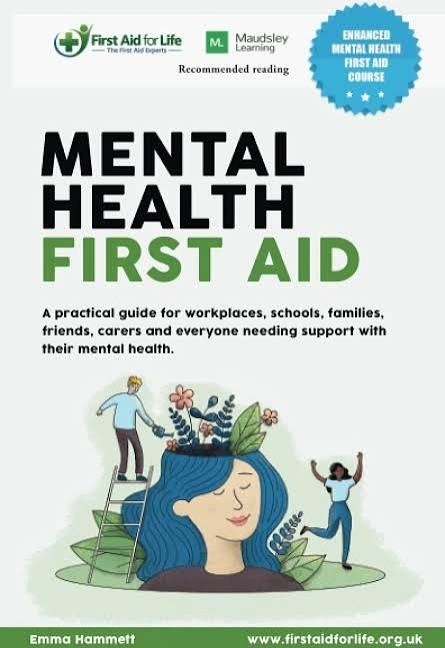
Below is a suggested type of book to use as a main part of your Mental First Aid 'Kit'
'Mental Health First Aid'
by Emma Hammett
This is a 210-page paperback written for a general adult audience. It is specifically described as a practical guide for families, friends, carers, schools, workplaces and individuals, rather than being aimed at mental-health professionals. Booktopia currently lists it at $27.75 and as in stock
Useful Tips & Info Pages
Valuable Subject Basics and Extra Facts
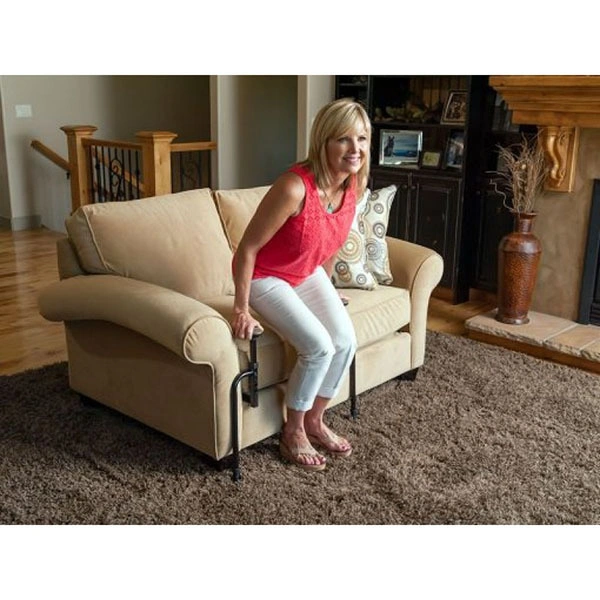
Staying Independent at Home-Part 1
Staying Independent at Home-Part 1
Essential Assistive Devices for Living Independently at Home
Living independently at home can provide comfort, privacy and a greater sense of control over everyday life. For people with disabilities, mobility limitations, sensory impairments, age-related changes or other challenges, the right assistive devices can make everyday tasks safer, easier and more manageable.
Assistive devices range from simple, inexpensive aids to more specialised equipment. The best choices depend on a person's individual abilities, home environment, daily routines and level of support.
This guide explains some of the most useful categories of assistive devices to consider when creating a safer and more accessible home.
What Are Assistive Devices?
Assistive devices are products or equipment designed to help a person perform everyday activities more independently.
They may help with:
Moving around the home
Getting in and out of bed or chairs
Using the bathroom safely
Preparing and eating food
Dressing and personal care
Seeing or hearing
Remembering appointments and daily tasks
Communicating with others
Reducing the risk of accidents
Managing household activities
An assistive device does not necessarily need to be complicated or expensive. Sometimes a small adaptation can make a significant difference to someone's independence.
Mobility Aids
Mobility aids can help people move around their home and community more safely.
Common examples include:
Walking sticks and canes
Walking frames
Rollators
Wheelchairs
Mobility scooters
Transfer boards
Grab rails and support handles
For someone who has difficulty maintaining balance, standing or walking, the appropriate mobility aid may provide additional stability and confidence.
Things to consider
Before choosing a mobility aid, consider:
The person's balance and strength
Whether they can use the device safely
The width of doorways and hallways
Flooring and thresholds
Indoor and outdoor requirements
Storage space
Whether professional assessment is needed
A mobility device should be correctly fitted and used according to the manufacturer's instructions.
Bathroom Safety Equipment
The bathroom is an important area to consider when making a home more accessible.
Useful equipment can include:
Shower chairs
Shower stools
Bath boards
Raised toilet seats
Toilet frames
Grab rails
Non-slip bath and shower surfaces
Hand-held shower heads
Long-handled bathing aids
These products can make bathing and toileting easier for people who have difficulty standing for long periods, bending or transferring.
Bathroom safety checklist
Look for:
Secure support rails
Adequate lighting
Clear pathways
Non-slip surfaces
Easy-to-reach toiletries
Appropriate shower seating
Sufficient space for mobility equipment
Important: Grab rails and other wall-mounted supports should be installed securely and into suitable structural surfaces. If you are unsure, seek professional advice.
Bedroom and Bed-Transfer Aids
Getting into and out of bed can become difficult when someone has reduced strength, balance or mobility.
Helpful devices may include:
Bed rails
Bed handles
Bed sticks
Transfer poles
Adjustable beds
Over-bed tables
Reaching aids
Bedside lighting
A bed-assistance device can make transfers easier and may reduce the need to rely on another person.
However, bed rails are not suitable for everyone. Consider the person's mobility, cognition, ability to reposition themselves and the particular risks associated with the device before using one.
Kitchen and Food-Preparation Aids
The kitchen contains many opportunities to improve independence.
Assistive kitchen products include:
Easy-grip utensils
Adaptive knives
Jar and bottle openers
Electric can openers
Lightweight cookware
Non-slip mats
Plate guards
Two-handled cups
Easy-grip mugs
Reacher’s
Kettle tippers
Perching stools
These products can be particularly helpful for people who experience difficulty with grip, coordination, reaching or prolonged standing.
Making the kitchen easier to use
Frequently used items can be stored between waist and shoulder height to reduce unnecessary bending and reaching.
Heavy objects should be stored where they can be accessed safely without excessive lifting.
Dressing and Personal-Care Aids
Getting dressed and managing personal care can require considerable coordination.
Useful aids may include:
Long-handled shoe horns
Sock aids
Dressing sticks
Button hooks
Zipper pulls
Elastic shoelaces
Easy-fastening clothing
Long-handled sponges
Hair-washing aids
Personal hygiene aids
These devices can help people complete everyday routines with less assistance.
For some individuals, changing clothing styles may be just as helpful as purchasing equipment. Velcro fasteners, elastic waistbands and front-opening garments can make dressing considerably easier.
Reaching and Gripping Aids
Limited reach, reduced hand strength or difficulty bending can make ordinary household tasks challenging.
Reaching aids, sometimes called grabbers or reachers, can help a person:
Pick up lightweight objects
Reach items from shelves
Retrieve objects from the floor
Reduce unnecessary bending
Access objects without climbing
Other useful products include:
Easy-grip handles
Handle enlargers
Non-slip grips
Adaptive scissors
Key turners
Pen grips
Choose equipment appropriate to the person's strength and abilities.
Vision and Low-Vision Aids
People with reduced vision may benefit from devices that make information and surroundings easier to see.
Examples include:
Magnifying glasses
Illuminated magnifiers
Large-print clocks
Large-button phones
High-contrast labels
Talking clocks
Electronic reading aids
Bright task lighting
Simple environmental changes can also help, such as improving lighting and using strong contrast between important objects and their surroundings.
Hearing and Communication Aids
Hearing difficulties can affect communication and awareness of sounds around the home.
Depending on individual needs, useful products may include:
Hearing aids
Amplified telephones
Personal listening devices
Visual doorbells
Flashing or vibrating alert systems
Captioning devices
Communication boards
Some people may also benefit from arranging important areas of the home so that visual information is easier to access.
Memory and Reminder Devices
Memory aids can help people stay organised and remember everyday activities.
Examples include:
Large digital clocks
Calendar clocks
Medication reminder systems
Talking reminders
Visual schedules
Reminder apps
Electronic timers
Whiteboards and daily planners
These tools can be useful for remembering appointments, meals, household routines and other daily activities.
When medication is involved, reminder devices should complement—not replace—appropriate medical advice and medication-management arrangements.
Communication Technology
Technology can provide another layer of independence and connection.
Depending on individual needs, useful technology may include:
Smartphones
Tablets
Voice assistants
Video calling
Emergency communication devices
Accessibility features
Speech-to-text tools
Text-to-speech tools
Alternative keyboards
Switch-access devices
Many modern smartphones, tablets and computers already include accessibility features that can be adjusted to suit different needs.
Emergency and Personal-Safety Devices
Having a way to call for assistance can provide reassurance, particularly for someone who lives alone.
Possible options include:
Personal emergency response devices
Wearable emergency buttons
Medical alert systems
Fall-detection devices
Emergency contact systems
Accessible telephones
A person who chooses an emergency device should understand how it works, what happens when the alert is activated and who will receive the notification.
Home Accessibility and Environmental Aids
Sometimes the most effective solution is to modify the environment rather than rely on a particular device.
Potential changes include:
Improved lighting
Lever-style door handles
Handrails
Accessible storage
Clear pathways
Reduced trip hazards
Non-slip flooring or surfaces
Contrasting colours on important edges
Accessible switches and controls
Furniture arranged to provide sufficient movement space
Keep frequently used items within easy reach and remove unnecessary obstacles from walking areas.
Assistive Devices for Children
Children with disabilities may require different types of assistive equipment depending on their age, development and individual needs.
Possible examples include:
Adaptive seating
Specialised writing equipment
Communication devices
Visual schedules
Sensory tools
Adaptive scissors
Pencil grips
Mobility equipment
Accessible technology
Dressing aids
Children's equipment should be selected with their development, safety, comfort and changing needs in mind.
Parents and carers may wish to seek advice from appropriately qualified professionals before purchasing specialised equipment.
How to Choose the Right Assistive Device
The most expensive product is not necessarily the best product.
Before purchasing an assistive device, ask:
1. What problem am I trying to solve?
Identify the specific task that is difficult.
For example:
"I have difficulty getting out of the shower."
This is more useful than simply deciding:
"I need bathroom equipment."
2. Will it actually increase independence?
A useful device should make an activity easier, safer or more accessible.
3. Is it suitable for the person?
Consider:
· Strength
· Mobility
· Dexterity
· Vision
· Hearing
· Cognitive ability
· Height and body size
· Comfort
· Individual preferences
4. Is the home suitable?
Measure the area before purchasing equipment.
Check:
Door widths
Hallway space
Bathroom space
Furniture placement
Storage requirements
Flooring
Power outlets where relevant
5. Is professional assessment required?
Some equipment, particularly mobility, transfer, seating and bathroom equipment, may require professional assessment or installation.
Depending on the individual's circumstances, an occupational therapist,
physiotherapist, speech pathologist, audiologist, optometrist or other appropriately qualified professional may be able to provide advice.

Staying Independent At Home-Part 2
Staying Independent At Home-Part 2
Start Small
You do not necessarily need to make major changes to the entire home at once.
Start by identifying the activities that are causing the greatest difficulty.
For example:
Difficulty getting dressed → dressing aid or adaptive clothing
Difficulty standing in the shower → shower seat or other appropriate bathroom equipment
Difficulty reaching cupboards → reorganise storage or consider a suitable reaching aid
Difficulty remembering appointments → visual calendar or electronic reminder
Difficulty reading labels → magnifier or larger-print labels
Small changes can sometimes produce significant improvements in everyday independence.
Safety First
Assistive equipment should improve safety rather than create new hazards.
Always:
Read the manufacturer's instructions.
Check weight limits where applicable.
Inspect equipment regularly.
Replace damaged equipment.
Keep mobility pathways clear.
Ensure equipment is stable before use.
Have fixed equipment installed correctly.
Seek professional advice when unsure.
Do not assume that a product is safe simply because it is marketed as an "independence aid" or "disability aid."
Assistive Technology and Independence
Assistive technology continues to expand beyond traditional equipment.
Smart-home technology may provide additional options, including:
Voice-controlled lights
Automated blinds
Smart doorbells
Voice-controlled appliances
Smart speakers
Accessible home-security systems
Automated reminders
Remote communication systems
These technologies can be particularly useful when physical switches, controls or conventional appliances are difficult to operate.
However, technology should be selected according to the person's actual needs rather than simply because it is new.
Creating an Independent Living Checklist
When reviewing a home, consider each major area:
Which Area of the Home?
Possible Assistive Equipment?
Entrance
Handrails, ramps, accessible door hardware
Living room
Furniture risers, transfer aids, accessible controls
Bedroom
Bed handles, adjustable bed, reaching aids
Bathroom
Shower seat, grab rails, raised toilet seat
Kitchen
Adaptive utensils, jar openers, kettle aids
Laundry
Easy-grip equipment, accessible storage
Communication
Accessible phone, tablet, communication technology
Safety
Emergency alert devices, improved lighting
Vision
Magnifiers, large-print clocks, contrast aids
Hearing
Hearing and visual alert devices
Memory
Calendars, reminders and visual schedules
Final Thoughts
Assistive devices can play an important role in helping people live more independently at home. The right equipment can make everyday activities more accessible, reduce unnecessary assistance and increase confidence.
The best approach is to identify the person's individual needs first and then choose equipment that solves a specific problem.
Independence does not always require expensive equipment. Sometimes the right small aid, environmental change or piece of technology can make an everyday task much easier.
Important Information
This page is provided for general information and educational purposes. It is not a substitute for individual professional assessment or medical advice.
Before purchasing or using specialised assistive equipment, particularly equipment used for mobility, transfers, bathing, positioning or safety, consider obtaining advice from an appropriately qualified professional.
Always follow the manufacturer's instructions and safety recommendations.
Types of Emergency & personal Safety Devices?
Types of Emergency & personal Safety Devices?
Emergency and Personal-Safety Devices
Knowing how to get help quickly during an emergency can provide important peace of mind.
Emergency and personal-safety devices are designed to help a person contact assistance, attract attention or notify another person when they need help.
These devices range from simple emergency buttons and accessible telephones to wearable alert systems and technology capable of detecting certain emergencies.
The most suitable device depends on the individual's abilities, living situation, home environment and the type of assistance they may need.
Depending on the device, it may allow someone to:
Contact a family member or carer
Call emergency services
Send an alert to a monitoring centre
Notify a nominated contact
Attract attention from nearby people
Communicate when they cannot reach a telephone
Receive assistance after a fall or other incident
Provide location information in some circumstances
They can be particularly useful for people who live alone, have difficulty walking, have limited hand function, have communication difficulties or are concerned about becoming unable to reach their phone during an emergency.
A person may experience an incident such as:
A fall
A sudden illness
An injury
Difficulty getting out of bed or a chair
A bathroom accident
Becoming unable to reach a telephone
A household emergency
Becoming lost or disoriented
A situation where they feel unsafe
Types of Emergency and Personal-Safety Devices
1. Personal Emergency Response Devices
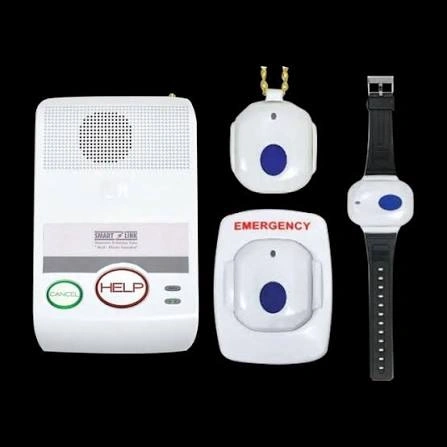
Personal emergency response devices are designed to allow a person to request help quickly.
They commonly include a button that can be pressed when assistance is required.
Depending on the system, pressing the button may:
Call a monitoring centre
Contact a family member
Send an alert to a carer
Contact emergency services
Trigger an alarm
Some devices are designed to be worn around the neck or wrist, while others can be carried in a pocket.
Who might benefit?
These devices may be useful for people who:
Live alone
Have mobility difficulties
Are at increased risk of falling
Have difficulty reaching a telephone
Want additional reassurance when alone
2. Wearable Emergency Buttons
Wearable emergency buttons are designed to remain accessible while a person moves around their home.
Common styles include:
Wrist-worn buttons
Pendant-style devices
Clip-on devices
Belt or pocket devices
One major advantage is that the person does not have to be beside a telephone to request help.
For example, someone may be able to activate their alert from the bedroom, bathroom or garden.
What to look for
Consider:
Button size
Ease of pressing
Water resistance
Battery life
Wearing comfort
Range
Whether it works inside and outside the home
Who receives the alert
3. Fall-Detection Devices
Some modern emergency devices include technology designed to detect a possible fall.
Depending on the device, sensors may detect movement patterns associated with a fall and automatically initiate an alert.
This can be particularly useful if someone becomes unconscious, confused or physically unable to press an emergency button.
An important limitation
Fall detection is not perfect.
A device may fail to recognise some falls or may occasionally generate an alert when a fall has not occurred.
Therefore, fall detection should generally be considered an additional safety feature rather than a guarantee that every fall will be detected.
A person should understand exactly what their particular device can and cannot do.
4. Medical Alert Systems
Medical alert systems can provide a structured way for a person to request assistance.
Some services connect the user to a monitoring centre where an operator can communicate with them and determine what assistance may be required.
Depending on the service, the monitoring centre may:
Receive the alert.
Attempt to communicate with the person.
Contact a nominated family member, carer or support person.
Contact emergency services when appropriate.
Different providers operate differently, so it is important to understand the service before subscribing.
5. Emergency Call Buttons
An emergency call button can be installed or placed in an accessible location within the home.
Examples include buttons located:
Beside the bed
In the bathroom
Near a shower
In a living area
Near an entrance
These can be useful as an additional way to request help.
However, an emergency button that is fixed to one location may not be useful if the person needs assistance somewhere else.
For people who move around independently, a wearable option may provide greater accessibility.
6. Accessible Telephones
A conventional telephone may not be suitable for everyone.
Accessible telephones can include features such as:
Large buttons
High-contrast displays
Simplified controls
Speed-dial buttons
Amplified sound
Speakerphone functions
Photo buttons
Voice-assisted functions
A phone with pre-programmed emergency contacts can make it easier to contact someone quickly.
For some people, having a telephone in more than one accessible location may also be helpful.
7. Mobile Phones and Smartphones
A smartphone can provide several emergency and safety functions in one device.
Depending on the phone and settings, it may provide:
Emergency calling
Emergency contacts
Location sharing
Voice communication
Text messaging
Video calling
Safety alerts
Accessibility features
Modern smartphones can also provide features designed for people with vision, hearing, mobility or communication difficulties.
Accessibility matters
A smartphone is only useful in an emergency if the person can operate it.
Consider whether the individual can:
See the screen
Hear an alert
Unlock the phone
Press the necessary buttons
Remember how to make an emergency call
Charge the device
Understand the instructions
A simpler device may sometimes be more appropriate than a feature-rich smartphone.
8. Smartwatches and Wearable Technology
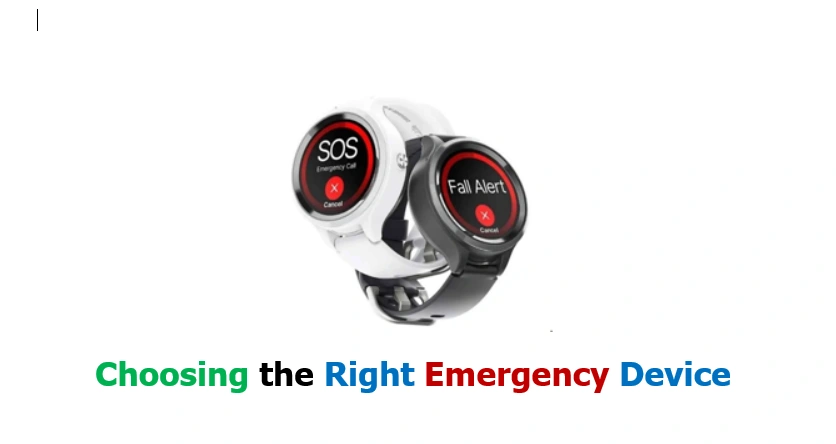
Some smartwatches and other wearable devices offer emergency and health-related safety functions.
Depending on the particular model, features may include:
Emergency calling
Fall detection
Location sharing
Emergency contacts
Movement monitoring
Communication functions
The availability of these features varies considerably between products, models and locations.
Before purchasing a wearable device for safety purposes, check the manufacturer's specifications and whether the emergency functions operate in your area.
9. GPS and Location-Based Safety Devices
Some personal-safety devices use location technology to help identify where a person is located.
These devices can be particularly useful for people who:
Travel independently
Become disoriented
Have cognitive difficulties
May wander or become lost
Spend time away from home
Depending on the device, location information may be shared with a nominated contact or monitoring service.
Privacy consideration
Location tracking involves personal information.
Before using a GPS safety device, understand:
Who can see the location
When location information is collected
Where information is stored
How long information is retained
How location sharing can be stopped
10. Door and Entry Alerts
People who live alone may also benefit from devices that provide information about activity around their home.
Examples can include:
Door alarms
Window alarms
Video doorbells
Visual alerts
Audible alerts
Smart-home notifications
These products may help a person become aware when someone is approaching or entering the home.
People with hearing loss may particularly benefit from systems that provide visual or vibrating notifications instead of relying solely on sound.
11. Visual and Vibrating Alert Systems
An emergency alert is not helpful if the person cannot hear it.
People with hearing impairments may benefit from systems that use:
Flashing lights
Vibrations
Visual displays
Smartphone notifications
These systems can potentially be connected to different household alerts, depending on the product.
For example, a person might receive a visual or vibrating notification when a doorbell rings.
12. Voice-Activated Emergency Technology
Voice-controlled technology can provide an alternative method of requesting assistance for some people.
Voice activation may be particularly useful for someone who has difficulty:
Reaching a telephone
Pressing small buttons
Using a touchscreen
Moving quickly during an emergency
However, voice-controlled systems are not suitable for every emergency.
Background noise, power outages, internet problems, speech difficulties or the need to use a specific activation phrase may affect their usefulness.
A backup method of requesting assistance is therefore important.
13. Home Emergency Alarms
Household alarms can help provide warnings about particular hazards.
Depending on the home, useful safety devices may include:
Smoke alarms
Carbon monoxide alarms where appropriate
Personal emergency alarms
Door alarms
Security alarms
Water-leak alarms
Temperature alerts
Smoke alarms and other household safety systems should be installed and maintained according to applicable requirements and manufacturer instructions.
__________________________________
Check Out Our Next Article In Useful Tips

Which Device is Best for Me?
Which Device is Best for Me?
Which Emergency Device is Best for Me?
There is no single emergency device that is right for everyone.
Before buying one, consider the person's individual circumstances.
Consider the person's abilities
Ask:
Can they see small buttons?
Can they hear alarms?
Can they press a button?
Can they speak clearly?
Can they remember instructions?
Can they operate a smartphone?
Can they wear a device comfortably?
Consider where emergencies may happen
Think about where the person spends time.
For example:
Bedroom: Could they reach an emergency device from the bed?
Bathroom: Could they call for assistance if they fall?
Kitchen: Can they access an emergency communication method?
Garden: Will the device work outside the house?
Community: Does the device function away from home?
The ideal device should match the person's daily routine rather than simply being convenient to purchase.
Important Features to Compare
When comparing products, consider the following:
Feature
Questions to Ask
Ease of use
Can the person operate it independently?
Button size
Is it easy to see and press?
Wearability
Can it be comfortably worn all day?
Water resistance
Can it be used in the bathroom?
Battery
How long does the battery last?
Charging
Can the person charge it independently?
Range
Will it work throughout the home?
Mobile connection
Does it require a phone or network?
Monitoring
Is a monitoring service included?
Contacts
Who receives the emergency alert?
Fall detection
Does it have this feature, and how does it work?
Location
Does it provide location information?
Cost
Is there an upfront or ongoing fee?
Privacy
What personal information is collected?
Backup
What happens during a power or network outage?
Don't Forget About False Alarms
Emergency devices can sometimes be activated accidentally.
Before purchasing a device, find out:
How accidental alerts are cancelled
Whether cancelling an alert is easy
Whether there are charges for false alarms
What happens if the person does not respond
How the monitoring service verifies an emergency
A person should be comfortable using the device and understand what happens after pressing the emergency button.
Battery and Maintenance
An emergency device is only useful if it works when needed.
Create a simple maintenance routine:
Regularly check:
Battery level
Charging equipment
Device condition
Emergency contact details
Mobile/network connection
Monitoring subscription
Wearable straps or attachments
Test the system according to the manufacturer's instructions.
Do not wait for an emergency to discover that the battery has failed or that an emergency contact's telephone number is outdated.
Create an Emergency Plan
An emergency device works best as part of a broader safety plan.
Everyone in the household should know:
How to request emergency assistance
Which emergency number to call
Where important contact information is kept
Who the nominated emergency contacts are
Where essential medical information is stored
What to do if the primary device fails
People who have carers or support workers may also wish to establish clear procedures for responding to alerts.
What If the Person Cannot Speak?
This is an important consideration when choosing an emergency system.
Some people may be unable to speak during an emergency because of:
Hearing or speech difficulties
A physical injury
Panic or distress
A medical emergency
Communication disabilities
Consider whether the chosen system can provide assistance without requiring the person to have a lengthy conversation.
Some systems may offer text-based communication, location information or pre-arranged emergency contacts, depending on the technology.
Always check the specific capabilities of the product or service.
Emergency Devices for People With Disabilities
People with disabilities may have very different safety requirements.
For example:
Mobility impairment
A wearable emergency button may be easier to access than a telephone located on a table.
Vision impairment
A device with tactile buttons, voice feedback or other accessible controls may be preferable.
Hearing impairment
Visual or vibrating alerts may be more useful than audible alarms.
Limited hand function
A large-button device or voice-controlled system may be easier to operate.
Communication disability
A system that provides alternative communication methods may be more appropriate.
Cognitive disability
Simple controls, visual instructions and consistent routines may be important.
The goal is not to find the device with the most features. The goal is to find a device the person can reliably use when they need help.
Questions to Ask Before Buying
Before purchasing an emergency or personal-safety device, ask:
Can the person use it independently?
Does it work throughout the home?
Can it be used in the bathroom?
Does it require Wi-Fi, mobile service or a landline?
What happens if the power goes out?
How long does the battery last?
Who receives the alert?
Is professional monitoring available?
Are there monthly or annual fees?
Does it detect falls?
Can it be used outside the home?
Does it require a smartphone?
What happens if the device is accidentally activated?
What personal information is collected?
What happens if the device stops working?
A Simple Personal-Safety Setup
A practical home safety system might combine several layers rather than relying on one device.
For example:
Layer 1 — Household safety
Smoke alarms, appropriate home-security measures and good lighting.
Layer 2 — Communication
An accessible telephone or mobile phone.
Layer 3 — Personal emergency device
A wearable emergency button or another suitable alert device.
Layer 4 — Emergency contacts
Trusted family members, carers or other nominated contacts.
Layer 5 — Emergency plan
Clear instructions about what to do and who to contact.
This layered approach means that if one method fails, another option may still be available.
Frequently Asked Questions
Do I need an emergency device if I already have a mobile phone?
Not necessarily. However, a mobile phone may not always be within reach during an emergency. A wearable emergency device can provide another way of requesting assistance.
Are fall-detection devices completely reliable?
No. Fall-detection technology can be helpful, but it cannot guarantee that every fall will be detected.
Can emergency devices be used in the shower?
Some devices are designed to be water-resistant or waterproof, while others are not. Always check the manufacturer's specifications before using a device around water.
Do emergency devices require a monthly subscription?
Some do and some do not. Monitoring services commonly involve ongoing fees, while other devices may operate through a mobile phone or directly contact nominated people.
Can emergency devices work outside the home?
Some are designed specifically for home use, while others have mobile connectivity and location features that allow them to operate away from home. Check the product's specifications carefully.
Should I choose a device with lots of features?
Not necessarily. A simple device that the person can reliably operate is often more useful than a complicated device with features they cannot use.
Final Thoughts
Emergency and personal-safety devices can be valuable tools for people who want to remain independent at home.
The most important consideration is reliability and accessibility.
A device should be easy for the individual to use, available when needed and appropriate for their particular circumstances.
Before purchasing, think about the person's abilities, where they spend their time, what types of emergencies are most concerning and who should receive an alert.
Most importantly, an emergency device should be part of a broader safety plan rather than the only safety measure in the home.
The right safety technology can provide reassurance—but the best device is the one a person can confidently use when it matters most.
Important Information
This article is provided for general educational and informational purposes. It is not a substitute for professional, medical, occupational therapy or emergency-safety advice.
Emergency and personal-safety devices have different capabilities and limitations. Always read the manufacturer's instructions and specifications and seek appropriate professional advice when selecting specialised equipment.
In Australia, call 000 for police, fire or ambulance assistance in an emergency.
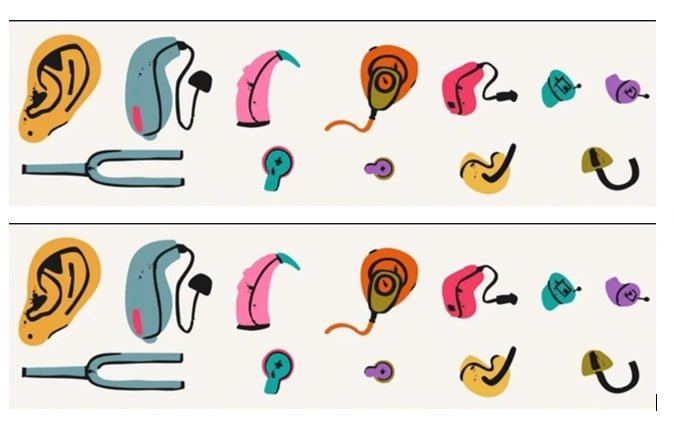
Which Type of Hearing Aid for Me?
Which Type of Hearing Aid for Me?
Selecting the right hearing device depends heavily on personal lifestyle, comfort, and the degree of hearing loss. Australian audiologists fit several core styles, each offering distinct advantages and limitations.
Main Hearing Aid Styles Available in Australia
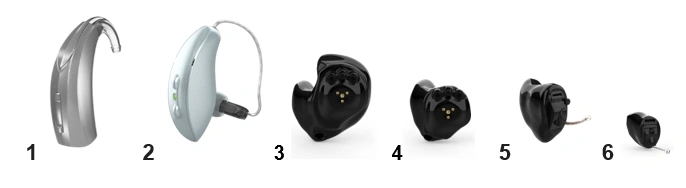
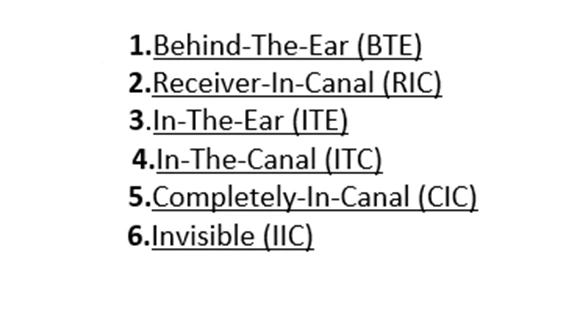
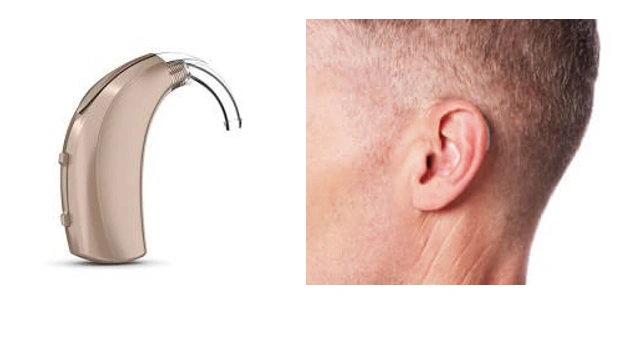
Behind-The-Ear (BTE)
A robust style where all electronics sit in a case behind the ear, routing sound through a custom earmold. Ideal for severe-to-profound hearing losses or users requiring maximum durability.
[Melbourne Audiology Centre]
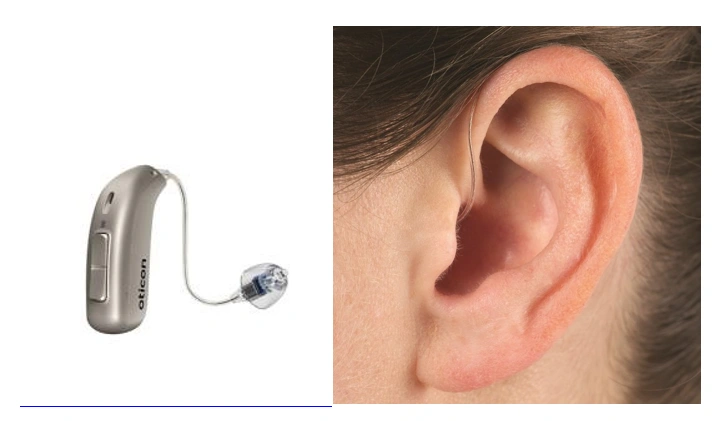
Receiver-in-Canal (RIC) / Receiver-in-The-Ear (RITE)
Featuring a tiny processor sitting behind the ear connected to a speaker inside the canal via a thin wire. This is the most popular style in Australia due to its discretion and suitability for mild-to-severe hearing loss.
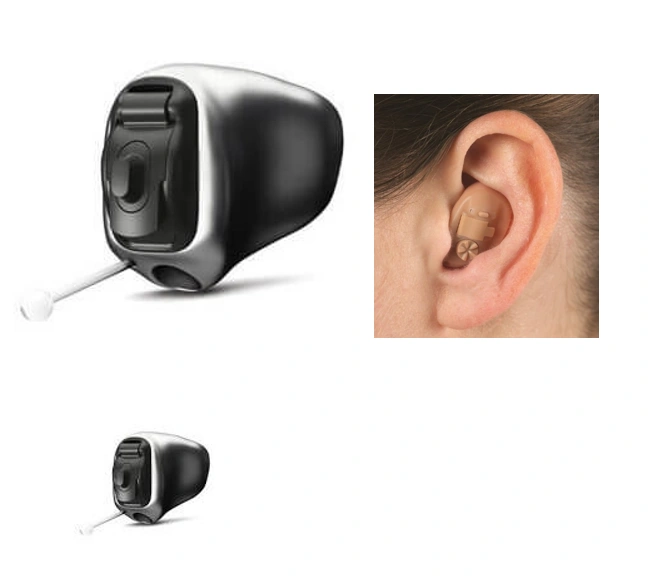
In-The-Ear (ITE) & In-The-Canal (ITC)
Custom-moulded shells that sit directly in the outer ear or ear canal. They are larger than invisible models, allowing space for manual volume controls and longer-lasting batteries.
[Melbourne Audiology Centre]
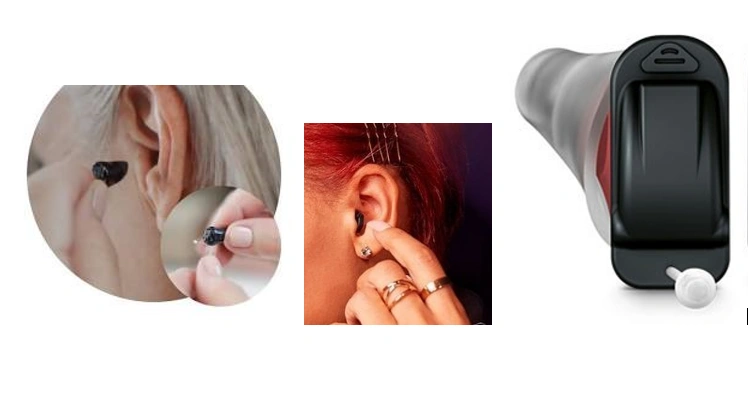
Completely-In-The-Canal (CIC) & Invisible-In-The-Canal (IIC)
Deeply fitted, custom devices that sit invisibly inside the ear canal. Highly favoured for aesthetics, though they lack room for advanced features like universal Bluetooth.
[Melbourne Audiology Centre]

Customer reviews and independent trials across Australia highlight distinct front-runners based on real-world performance:
Best for Background Noise
Devices utilizing advanced artificial intelligence and Deep Neural Networks (DNN)—such as the Phonak Audéo Sphere/Infinio series—receive rave reviews from Australian seniors. Users note a dramatic reduction in listening fatigue during crowded family gatherings and busy restaurants.
Best Natural Sound Quality
Feedback for open-sound paradigm devices like the Oticon Intent centres on the "Brain-Hearing" experience. Users report feeling less exhausted by the end of the day because the aids preserve ambient 360-degree environmental sounds rather than aggressively narrowing focus.
Best for Discretion
Wearers looking to avoid traditional medical aesthetics frequently praise earbud-style form factors like the Signia Active Pro IX. Feedback notes that they eliminate social stigma by mimicking consumer wireless earbuds while offering strong everyday amplification.
Overall, Australian users consistently report the highest satisfaction rates with rechargeable RIC models that feature direct-to-smartphone Bluetooth streaming and AI-driven noise suppression.

This is for informational purposes only. For medical advice or diagnosis, consult a professional.
Below are Physical retentions for hearing aids which extend beyond standard ear positioning through several specialized medical accessories, custom modifications, and sport-specific attachments designed to prevent hearing loss.

Silicone ear grips and anti-slip bands
Small silicone rings attached to your glasses arms can stop your spectacles from sliding down your nose. Keeping your glasses completely stationary prevents them from micro-shifting and bumping your hearing aids out of place.
Retention cords / Safety clips
If you are highly active, you can use specialized retention clips (such as a tether that clips your hearing aids to your collar). This ensures that even if your glasses dislodge a device, it won't fall to the ground and get lost.
Custom Earmolds
For Behind-The-Ear (BTE) or Receiver-in-Canal (RIC) models, replacing standard dome tips with a 3D-printed custom earmold provides a secure, friction-locked fit tailored precisely to the unique contours of your ear canal and concha.
Sport Retention Cords and Tether Clips
These dual-ended tethers feature small silicone loops that stretch around the body of the hearing aids, while the opposite end clips securely onto your shirt collar or jacket. If a device slips off your ear during high-impact movement, it dangles safely instead of falling to the ground.
Otoblock or Retention Tails (Sports Locks)
Many custom ITE, ITC, and RIC receiver molds can be ordered with a flexible, transparent plastic tail (often called a sport lock or retention tail). This thin filament tucks neatly into the outer bowl of your ear, using natural anatomical folds to anchor the device in place during jaw movement or exercise.
Toupee Tape / Medical Adhesive
Skin-safe double-sided medical tapes (such as toupee tape or specialized wig adhesive strips) can be applied to the flat backside of a behind-the-ear processor to gently tack it against the skin behind the pinna. This is heavily utilized by parents of young children wearing hearing aids.
Headbands, Buffs, and Sweatbands
Stretchy athletic headbands or snug fabric ear-covers worn over the ears provide a physical containment layer. They keep BTE and RIC processors pressed firmly against the head during swimming, running, or contact sports.
__________________________________
ALSO SEE ARTICLE
'Sound Magnification Aids'
Other Devices that Amplify Sound
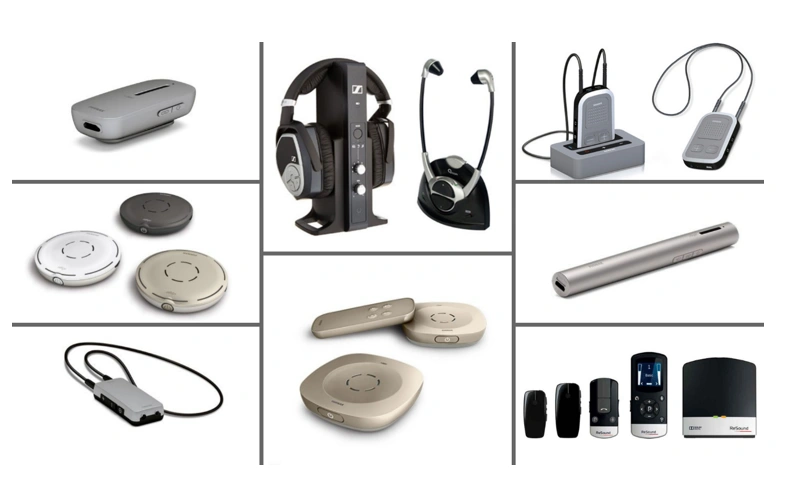
Other Sound Magnification Aids
Other Sound Magnification Aids

Assistive Listening Devices (ALDs)
Remote microphone systems (like FM or Roger systems), television ears, and infrared transmitters that beam audio straight to a receiver, reducing the acoustic interference of distance and room echo.
What are Assistive Listening Systems?
Have you ever struggled to hear in public venues like concert halls, community centres and places of worship? Many public venues like these make assistive listening systems (ALS) available upon request by patrons with hearing loss.
ALS can provide clearer, better-quality sound with less background noise in public places and allow you to participate more fully in events. ALS transmit audio from the source to your ears, hearing aid or cochlear implant, either directly or through a receiver/transmitter.
Types of assistive listening systems
Some ALS require the facility to be hard wired, and all require a receiver of some kind.
Hearing loop
Hearing loops consist of a special amplifier and a hidden copper wire that creates a “looped zone” in any size venue. Sound is transmitted via a magnetic field directly to a hearing aid telecoil or other receiver worn by people seated within the zone. Learn more.
AuracastTM broadcast audio
This new technology allows one public source to transmit wirelessly to multiple Bluetooth Low-Energy (LE)-enabled devices, including smartphones, ear buds, hearing aids and cochlear implants. Learn more.
FM system
Using radio broadcast signals, sound is sent to a receiver worn on the body. These are often used in educational settings and offer mobility and flexibility when used with portable, body-worn transmitters. Learn more.
Infrared (IR) system
transmitter sends speech or music from a public address or sound system to an IR receiver using invisible light waves. IR signals travel in a straight line, so you’ll need to sit near the center of the room to receive the signal. Learn more.
Wi-Fi system
A transmitter in a microphone or other source sends audio signals to a WiFi system picked up by a hearing device. These can be used in many public settings like classrooms and theatres. Learn more.
Bluetooth technology can also support hearing accessibility
Bluetooth® enables wireless connection between virtually all smart devices. It allows direct connection to a sound source, eliminating interference issues like background noise. The technology is not without its flaws however, as connection issues do still arise.
Bluetooth Hearing Aids
If your hearing aid or cochlear implant is Bluetooth-enabled, you can connect to apps and smart devices that make sound more accessible for phone calls, music, audio books, streaming video online and more.
Bluetooth Low-Energy (LE) Audio
Described above, Auracast systems—based upon Bluetooth LE Audio—have the potential to revolutionize public listening for people with and without hearing loss. Introduced in 2020, they are becoming more widely installed in public venues around the world, with an increasing number of compatible hearing devices available.
Ask your hearing care provider about telecoils, Bluetooth and Auracast compatibility
A telecoil, also known as a t-coil, is a small copper wire inside a hearing aid, cochlear implant or other receiver that allows it to connect with hearing loops and conventional telephones. Your audiologist or hearing aid dispenser should provide t-coils in your new hearing aids and activate them upon request.
While many prescription and over-the-counter hearing aids include Bluetooth, it may not be available in smaller, older or lower-end models. If mobile connection and streaming capability is important to you, then be sure to indicate that to your hearing care provider.
A growing number of advanced hearing aids and cochlear implants are Auracast-enabled or Auracast-ready (which requires a firmware update). Over time, this will likely become the standard for public assistive listening, so ask about this feature, in addition to t-coils, when upgrading or acquiring new devices.
Smartphone Live Transcribe & Captioning Apps
Real-time speech-to-text conversion applications that translate spoken conversation into high-contrast visual text on a phone or tablet screen.
Personal Sound Amplification Products (PSAPs)
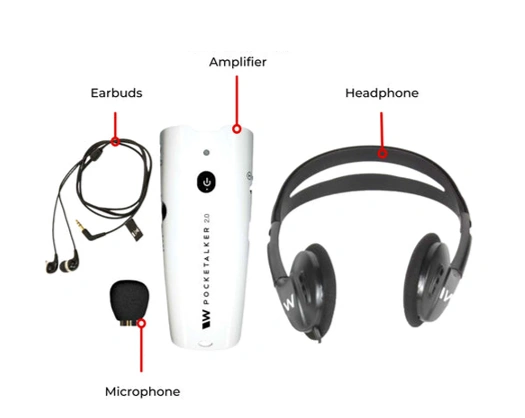
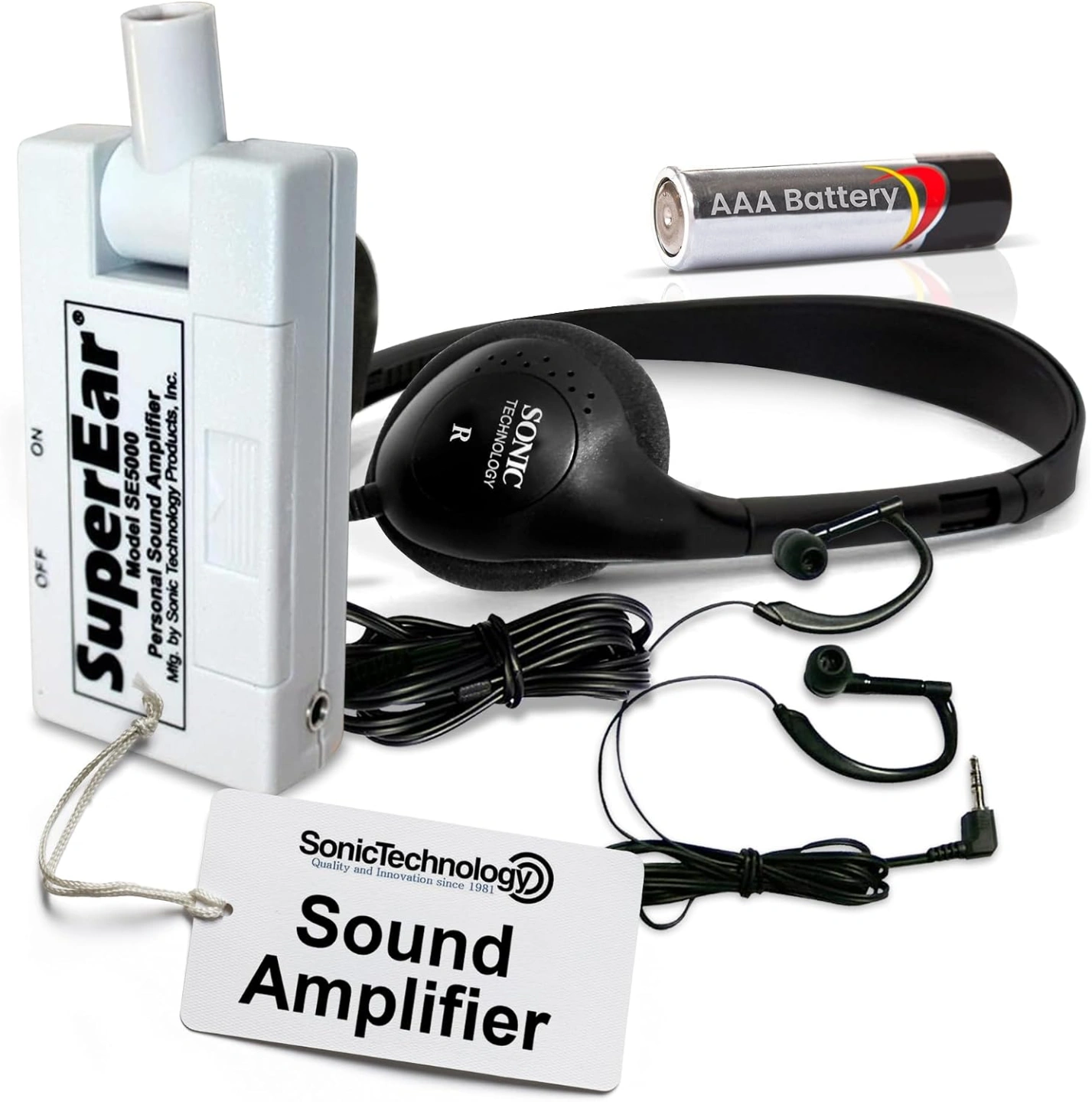
ver-the-counter consumer listening devices designed to boost ambient sounds for recreational activities like birdwatching or listening to lectures, though not medically calibrated as hearing aids. Electronic devices designed to amplify environmental sounds for people with normal hearing in specific situations.
Personal listening devices help people with hearing loss hear conversations, TV audio, and everyday sounds more clearly. Whether you need a portable hearing device for one-on-one conversations, an assistive listening system for group settings, or a personal sound amplifier for TV viewing.
Directional Acoustics & Room Modification
Architectural adjustments such as installing acoustic wall panels, thick carpets, and heavy curtains to eliminate reverberation and background noise echo in living spaces.
Bone Conduction Headphones
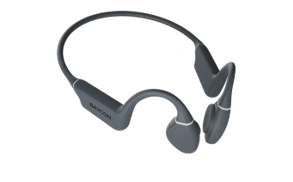
These feature a lightweight, flexible band (usually titanium) that wraps around the back of the head. Instead of cups or earbuds that go inside or over the ear canal, they have small, slightly curved transducer pads that rest firmly on the cheekbones just in front of the ears. The sound vibrations bypass the outer and middle ear entirely, traveling straight through the skull bones to the cochlea.
Bone-Anchored Hearing Systems (BAHS/BAHA)
These feature a lightweight, flexible band (usually titanium) that wraps around the back of the head. Instead of cups or earbuds that go inside or over the ear canal, they have small, slightly curved transducer pads that rest firmly on the cheekbones just in front of the ears. The sound vibrations bypass the outer and middle ear entirely, traveling straight through the skull bones to the cochlea.
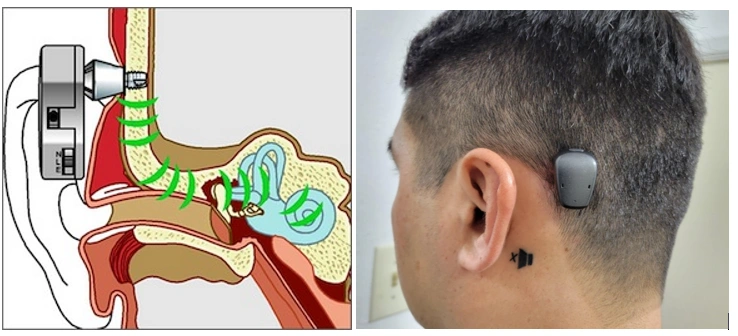
Surgically implanted titanium fixtures in the skull bypass the outer and middle ear entirely, transmitting sound vibrations directly through skull bone to the inner ear cochlea.
This surgically implanted device has two main components: a tiny titanium fixture integrated into the skull bone behind the ear, and an external sound processor. The external processor looks like a small, sleek rectangular device (about the size of a large coin or matchbox) that either snaps directly onto a tiny abutment protruding through the skin or attaches magnetically to the hidden implant underneath.
Cochlear Implants (CI) & Auditory Brainstem Implants
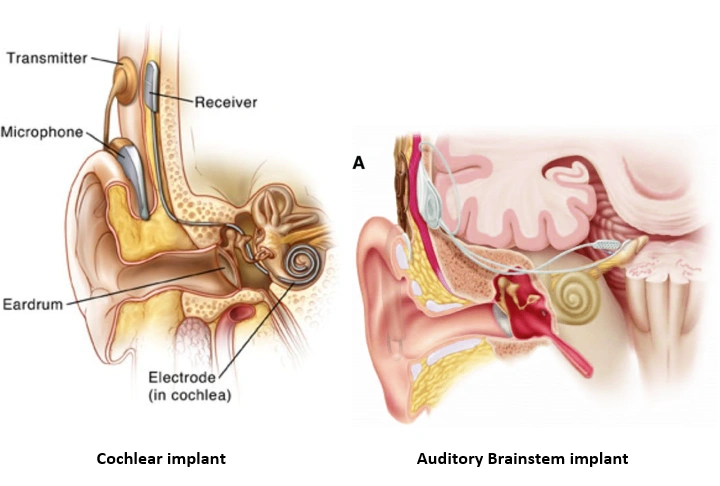
A cochlear implant (CI) stimulates the auditory nerve inside the inner ear, while an auditory brainstem implant (ABI) bypasses the ear and nerve to stimulate the brainstem directly
They are Electronic medical devices surgically placed under the skin that bypass damaged portions of the inner ear to directly stimulate the auditory nerve (or cochlear nucleus in the brainstem) for severe-to-profound deafness.
Cochlear Implants
A cochlear implant consists of two parts: an internal receiver-stimulator surgically placed under the skin behind the ear with a thin wire electrode threaded into the cochlea, and an external piece. The external part looks similar to a behind-the-ear (BTE) hearing aid, featuring a speech processor unit that rests behind the ear, connected by a thin cable to a round, flat transmitting coil that held securely against the scalp via a magnet right over the internal implant.
Auditory Brainstem Implants (ABIs)
Similar in concept to a cochlear implant, an ABI is used when the auditory nerve is completely non-functional or missing. It features an internal receiver and a tiny paddle electrode placed directly onto the cochlear nucleus in the brainstem during neurosurgery. Externally, the user wears a speech processor behind the ear connected to a headpiece that transmits sound signals across the skin to the internal receiver, looking almost identical to an advanced cochlear implant setup.
Bluetooth Hearing Aids
If your hearing aid or cochlear implant is Bluetooth-enabled, you can connect to apps and smart devices that make sound more accessible for phone calls, music, audio books, streaming video online and more.
Bluetooth Low-Energy (LE) Audio
Described above, Auracast systems—based upon Bluetooth LE Audio—have the potential to revolutionize public listening for people with and without hearing loss. Introduced in 2020, they are becoming more widely installed in public venues around the world, with an increasing number of compatible hearing devices available.
Ask your hearing care provider about telecoils, Bluetooth and Auracast compatibility
A telecoil, also known as a t-coil, is a small copper wire inside a hearing aid, cochlear implant or other receiver that allows it to connect with hearing loops and conventional telephones. Your audiologist or hearing aid dispenser should provide t-coils in your new hearing aids and activate them upon request.
While many prescription and over-the-counter hearing aids include Bluetooth, it may not be available in smaller, older or lower-end models. If mobile connection and streaming capability is important to you, then be sure to indicate that to your hearing care provider.
A growing number of advanced hearing aids and cochlear implants are Auracast-enabled or Auracast-ready (which requires a firmware update). Over time, this will likely become the standard for public assistive listening, so ask about this feature, in addition to t-coils, when upgrading or acquiring new devices.
___________________________________
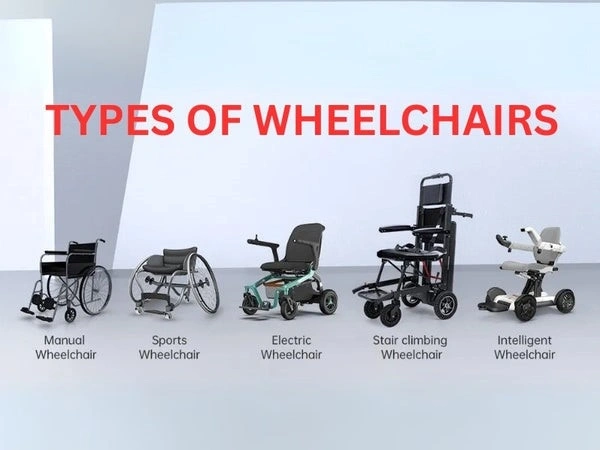
Comparing Wheel Chairs
Comparing Wheel Chairs
Navigating Life: Choosing Between Manual and Electric Wheelchairs
Choosing the right mobility aid is essential for maintaining independence, comfort, and safety. When exploring options, understanding the unique benefits of manual and electric wheelchairs—and how each type handles different environments—can help match the device to your lifestyle.
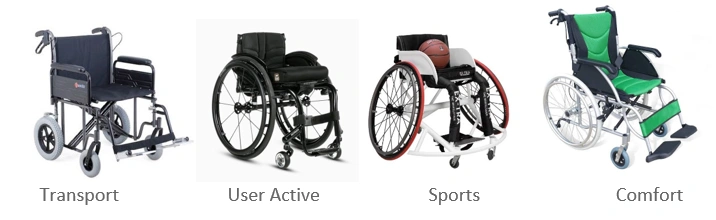
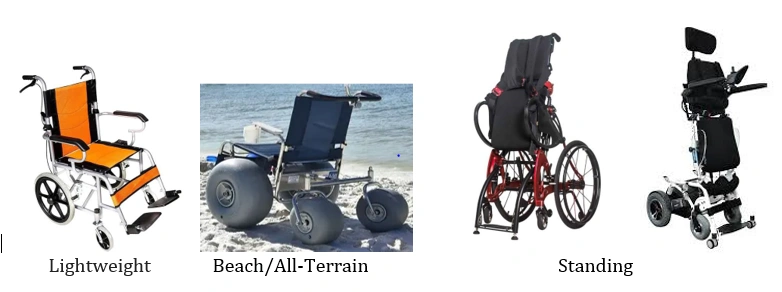
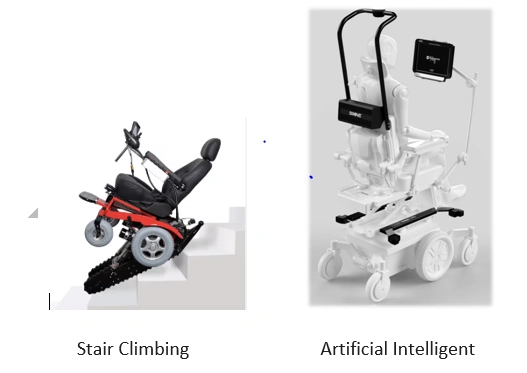
Manual Wheelchairs
- Lightweight and Portable
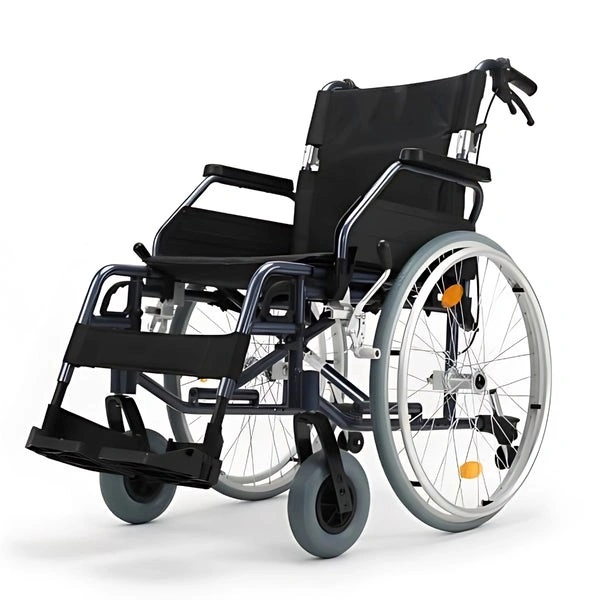
Manual wheelchairs are propelled either by the user or pushed by a caregiver. They are typically lightweight, highly portable, and fold easily to fit into car trunks.
Monarch Mobility+ 1
· Best For: Individuals with good upper body strength who want regular physical engagement, or those requiring a cost-effective, low-maintenance option for short trips and travel.
Daily Living Products
· Surface Performance: They excel on smooth, flat indoor surfaces like tile, hardwood, and low-pile carpet. However, rough ground, steep ramps, gravel, or thick outdoor rugs can cause rapid shoulder fatigue and make pushing physically demanding.
Broader Seating
Electric Wheelchairs
- for Power and Precision
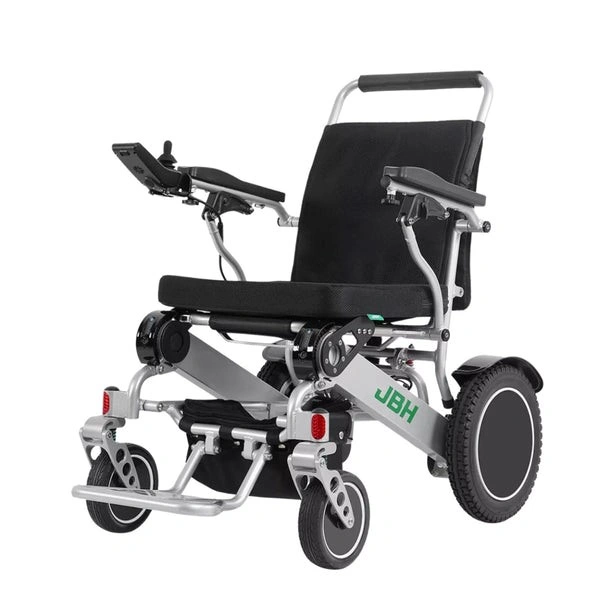
Electric wheelchairs (powerchairs) use motorized wheels controlled via an intuitive joystick or specialized interface, eliminating physical strain for the user.
Marc's Mobility
· Best For: Individuals with limited upper body strength, chronic fatigue, or progressive conditions who need all-day independence and advanced postural support.
Daily Living Products
· Surface Performance: Powerchairs are designed to effortlessly manage uneven terrain, outdoor paths, moderate slopes, and blended indoor-outdoor transitions thanks to their heavy-duty motors and suspension systems. While they handle rugged landscapes well, their larger frames can face spatial challenges in narrow, older indoor spaces.
Do you prioritize lightweight portability for travel, or is all-terrain capability and motorized comfort more important for your daily routine?
Some specific types of wheelchairs to consider are:
Health Mart site (click link below)
Paediatric Wheelchairs
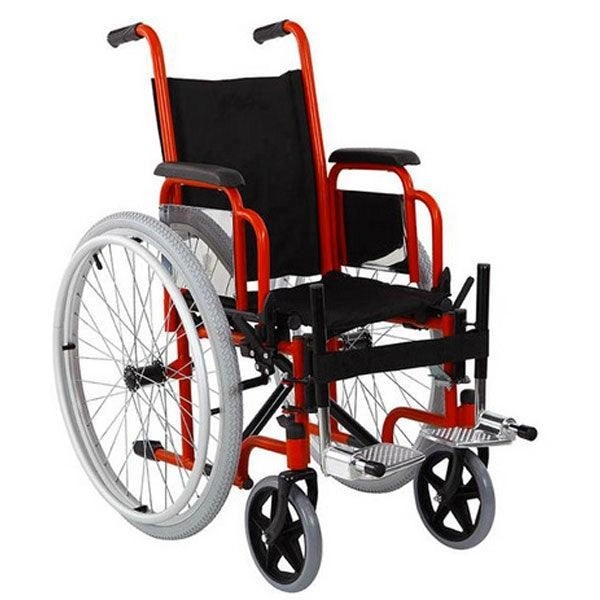

Customizable and lightweight, paediatric wheelchairs cater specifically to children with mobility challenges seen in local rehabilitation centres.
· Best for: Travelers and caregivers with tight storage spaces.
· Not ideal for: Full-time users seeking extensive durability or power.
· Key benefits: Portability, lightweight nature, easy to store.
Comfort Wheelchairs
- for Reclining/Positioning
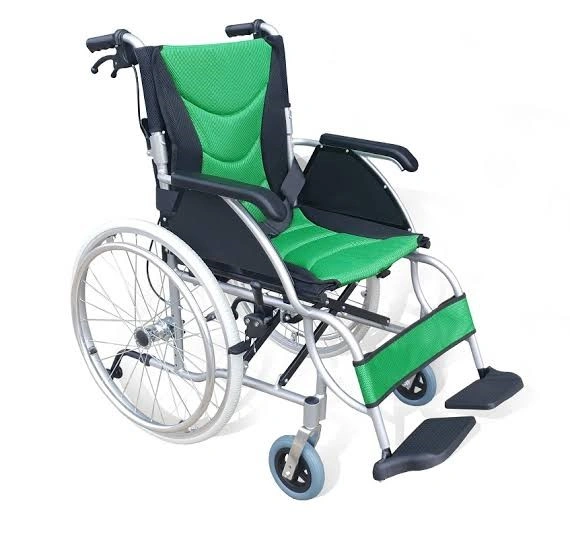
These wheelchairs, with adjustable seating, are valuable for Emiratis and Gulf residents dealing with chronic conditions that force long-term seating or posture issues.
· Best for: People with spinal injuries, pressure ulcers, or medical needs demanding constant support.
· Not ideal for: Users who are extremely mobile and require agility.
· Key benefits: Promotes circulation, prevents sores, provides tailored comfort.
Bariatric Wheelchairs
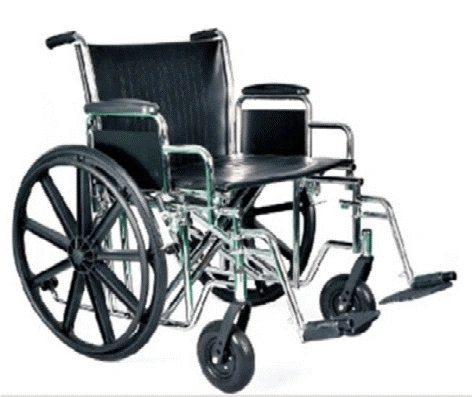
Help with obesity. Bariatric wheelchairs feature reinforced frames and larger seats.
Add Link Button to my Products Page HERE
Foldable Wheelchairs
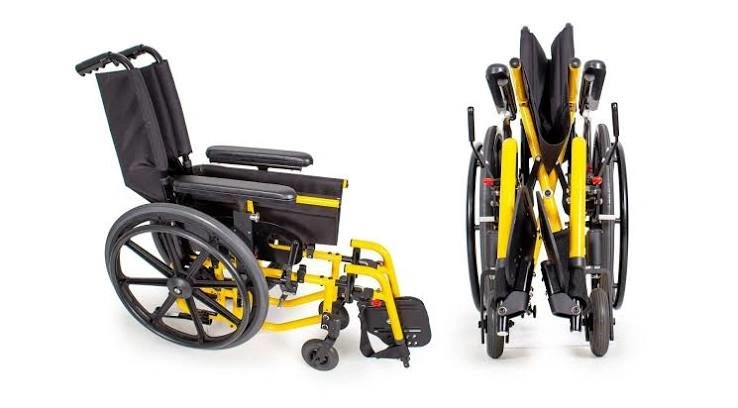
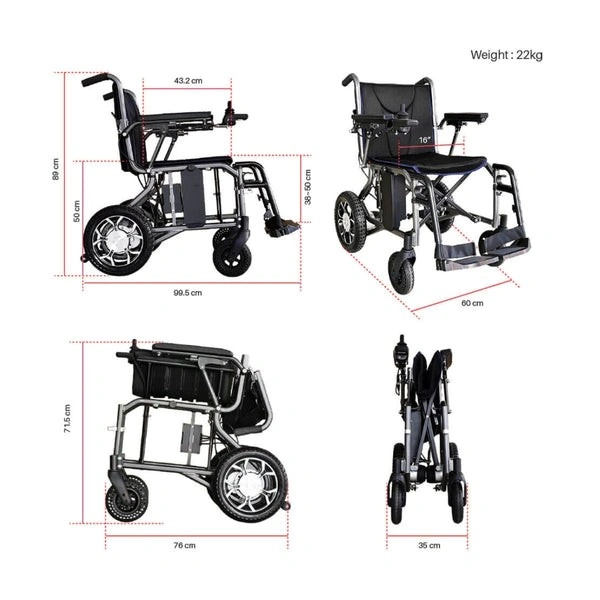
Foldable wheelchairs are appreciated by persons who travel especially frequently.
· Best for: Travelers and caregivers with tight storage spaces.
· Not ideal for: Full-time users seeking extensive durability or power.
· Key benefits: Portability, lightweight nature, easy to store.
Lightweight Wheelchairs
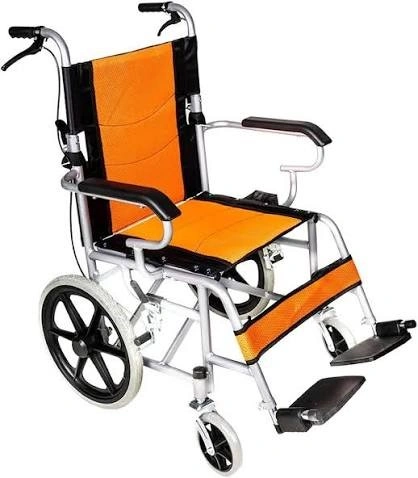
tweight Wheelchairs
Lightweight wheelchairs, constructed from advanced materials, are suitable for active and independent users.
· Best for: Active users and those who self-propel for everyday tasks, including new athletes.
· Not ideal for: Heavy or bariatric users needing stronger support.
· Key benefits: Agility, reduced fatigue, and ease of manipulation.
Sports Wheelchairs
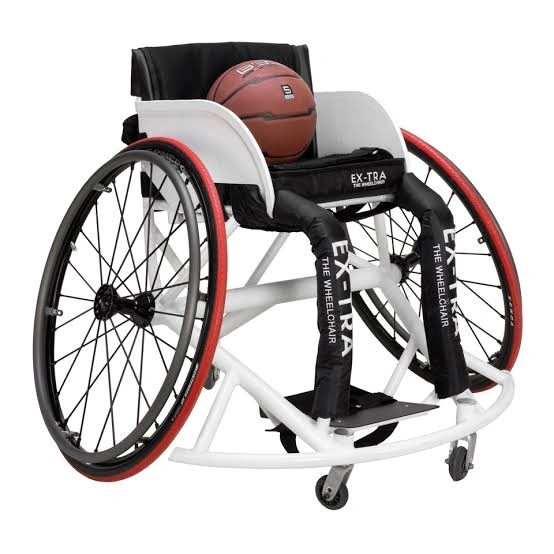
Ideal for para-sports which are becoming more popular, including local wheelchair basketball, racing, and tennis teams.
· Best for: Athletes or those participating in local adaptive sports.
· Not ideal for: Routine daily activities or long-length seating.
· Key benefits: Precision control, durability, sport-specific design.
Active User Wheelchairs
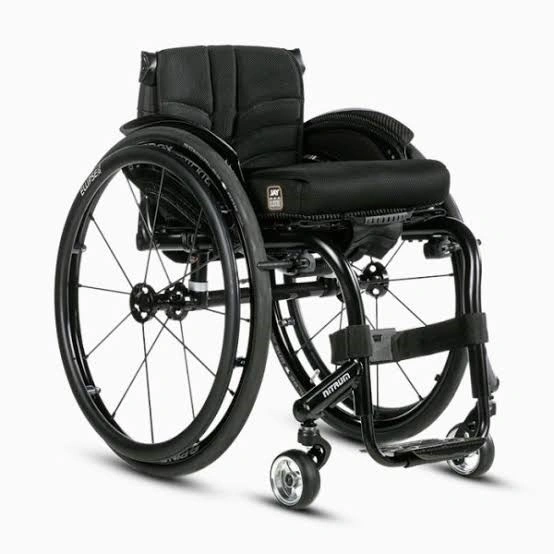
Active wheelchairs have recently become more in demand, having sleek appearances, and performance-centric models that blend functionality and fashionable aesthetics.
· Best for: Independent users focused on both function and appearance.
· Not ideal for: Users seeking reclining or maximum comfort designs.
· Key benefits: Customisable, stylish, efficient for everyday Gulf urban landscapes.
Additional Types of Wheelchairs Worth Mentioning
Standing Wheelchairs
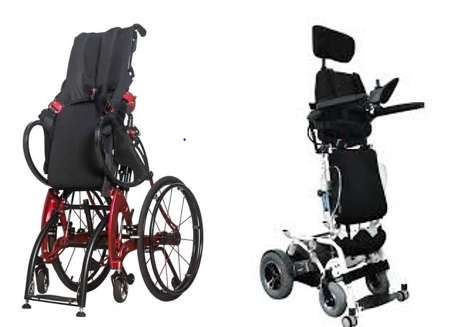
Suitable for persons wanting to participate more within higher regions, including supermarket shopping and social engagement. Also considered essential for users seeking improved circulation.
Add Link Button to my Products Page HERE
Beach / All-Terrain Wheelchairs
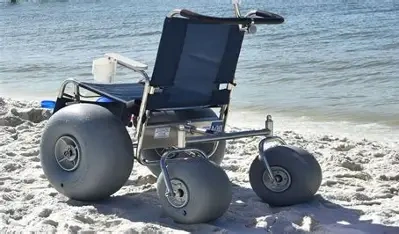
With our Australian vast coastline, these wheelchairs allow access to beaches and inland desert areas and events.
(Click link below)
https://www.activenable.com/debug-beach-access-walker.html
Transport Wheelchairs
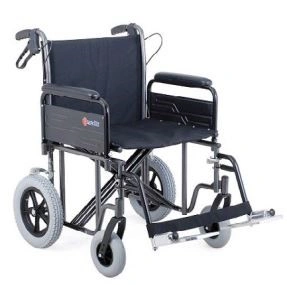
Suitable for quick trips in malls, airports, and hospitals frequently available in public places and facilities.
Stair Climbing Wheelchairs
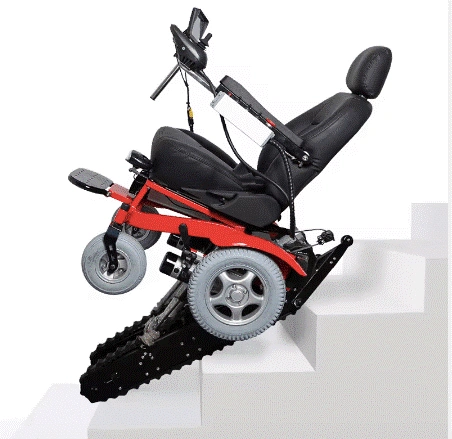
Stair-climbing wheelchairs are advanced mobility devices engineered to safely ascend and descend various staircases using specialized mechanical drive systems, granting users unprecedented structural freedom. By combining robotics, rugged locomotion systems, and automated balance features, these devices allow individuals with mobility impairments to conquer physical barriers without relying on fixed home modifications like ramps or vertical lifts.
Artificial Intelligent Wheelchairs
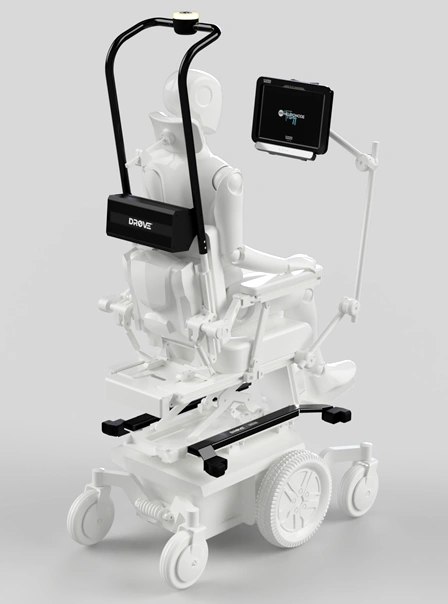
AI wheelchairs use cameras, LiDAR sensors, and machine learning to map surroundings, avoid obstacles, and drive autonomously. They help people with severe motor impairments move safely through homes or public spaces by reducing physical and mental strain.

About Us
Welcome to 'Live And Grow'. Here we hope you will find direction to the product(s) you are looking for and perhaps find other useful items along your way, that will improve or enhance your daily living. we have created this website with you in mind from decades of study and experience in Education and Impairment environments, personally and as employees.
This website is a reflection of what we understand to be products and devices that are wanted and needed by the greater community to upgrade or enhance daily life for the better.
we hope this site exceeds your expectations and leaves you feeling satisfied in your search and purchases. Thank you for visiting. Your satisfaction using this site is important - so please leave a comment re any potential improvements to make it even better!
Follow us on instagram @instagram
Loading content, please wait...

Privacy Policy & Data Use
Click buttons below for information
Live & Grow Information
Business Name: Ideal Life Solutions
Website: liveandgrow.com.au
Contact Email: liveandgrow2040@protonmail.com
Postage & Shipping: Flat Rate Australia Post unless specified otherwise
Pinterest Page: