Below is a set of information around educational toys, written to be useful to parents, carers, educators and anyone looking for toys that support children's development.
1. Educational Toys: Learning Through Play
2. How to Choose the Right Educational Toy
3. Educational Toys for Different Stages of Development
4. Educational Toys for Children With Different Learning Needs
5. Educational Toys That Grow With Your Child
1. Educational Toys: Learning Through Play
Play is one of the most natural ways children learn. Educational toys can turn everyday play into opportunities to explore, experiment, solve problems and develop new skills.
Educational toys are designed to encourage children to learn while they play. They can support areas such as fine motor skills, problem-solving, communication, creativity, concentration, social interaction and early academic skills.
The best educational toys don't necessarily feel like "learning" to a child. Instead, they encourage curiosity and allow children to discover how things work at their own pace.
What can educational toys help develop?
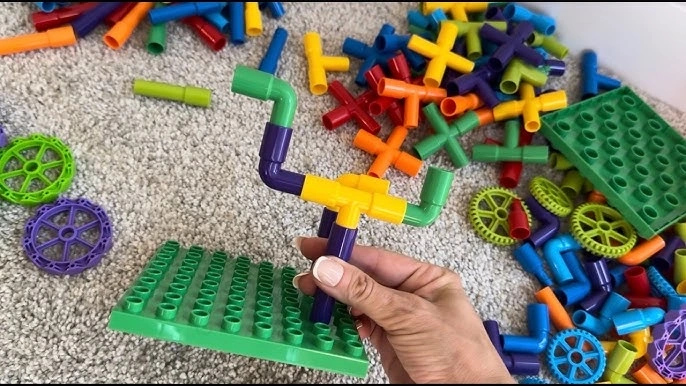
Fine motor skills Building blocks, puzzles, threading toys, peg boards and construction activities can help children practise grasping, placing, connecting and manipulating objects.
Problem-solving skills Puzzles, matching games, construction sets and cause-and-effect toys encourage children to think about solutions and try different approaches.
Language and communication Books, pretend-play toys, picture cards and interactive games can encourage children to communicate, describe what they are doing and develop vocabulary.
Creativity and imagination Art materials, building toys, dolls, pretend-play sets and open-ended resources give children opportunities to create their own ideas and stories.
Early learning Counting toys, alphabet resources, sorting activities, shapes, colours and simple games can introduce early mathematical and literacy concepts.
Learning doesn't need to be complicated
An educational toy doesn't have to contain technology or have lots of features. Sometimes the simplest toys provide the greatest opportunities for children to explore and create.
A set of blocks, for example, can become a tower, a bridge, a house or an imaginary city. The child decides what to build and learns through the process.
The most valuable educational toy is often one that encourages a child to participate rather than simply watch.
2. How to Choose the Right Educational Toy
Choosing an educational toy can be challenging because there are so many options available. Rather than choosing a toy simply because it is labelled "educational", consider what the child enjoys, what they are currently learning and what skills you would like to encourage.
Consider the child's age and development
A toy should be appropriate for the child's developmental stage. Look for activities that offer an achievable challenge without being so difficult that the child becomes frustrated.
Think about the skills you want to encourage
Different toys support different areas of development.
Examples of toys
Fine motor skills
Pegs, threading toys, puzzles, construction toys
Problem solving
Puzzles, matching games, building sets
Creativity
Drawing, craft, construction and open-ended toys
Language
Books, puppets, pretend-play resources
Numeracy
Counting games, sorting and number activities
Social skills
Board games, cooperative games and pretend play
Sensory exploration
Texture, movement and tactile toys
Follow the child's interests
A child who loves animals may be more interested in an animal puzzle or farm set than a toy specifically marketed as an educational resource.
Using existing interests can make learning more engaging.
Look for open-ended play
Open-ended toys can be used in different ways and don't have one predetermined outcome. Blocks, construction materials, pretend-play resources and art supplies are good examples.
These toys can grow with a child because the way they are used can change as the child's skills and imagination develop.
Don't forget fun
Children learn best when they are interested and engaged.
An educational toy doesn't need to teach a specific lesson every time it is used. Enjoyment, exploration and curiosity are valuable parts of learning too.
3. Educational Toys for Different Stages of Development
Children's interests and abilities change rapidly as they grow. Choosing toys that match their current stage can help provide an appropriate level of challenge while keeping play enjoyable.
Babies and young toddlers
Early play can focus on exploration and sensory experiences.
Suitable toys may include:
o Soft blocks
o Stacking toys
o Simple shape sorters
o Textured toys
o Large-piece puzzles
o Cause-and-effect toys
o Musical and sound-making toys
These activities can encourage reaching, grasping, coordination, exploration and early understanding of cause and effect.
Toddlers and preschool children
At this stage, children are developing greater independence and beginning to use imagination in their play.
Toys may include:
o Building blocks
o Puzzles
o Matching games
o Pretend-play sets
o Dolls and figures
o Drawing and craft materials
o Counting and sorting activities
o Simple construction toys
Play can encourage language, fine motor development, early numeracy, problem solving and imaginative thinking.
Early school years
Older children can benefit from toys and games that introduce more complex challenges.
Examples include:
o Strategy games
o Construction sets
o Science kits
o Advanced puzzles
o Board games
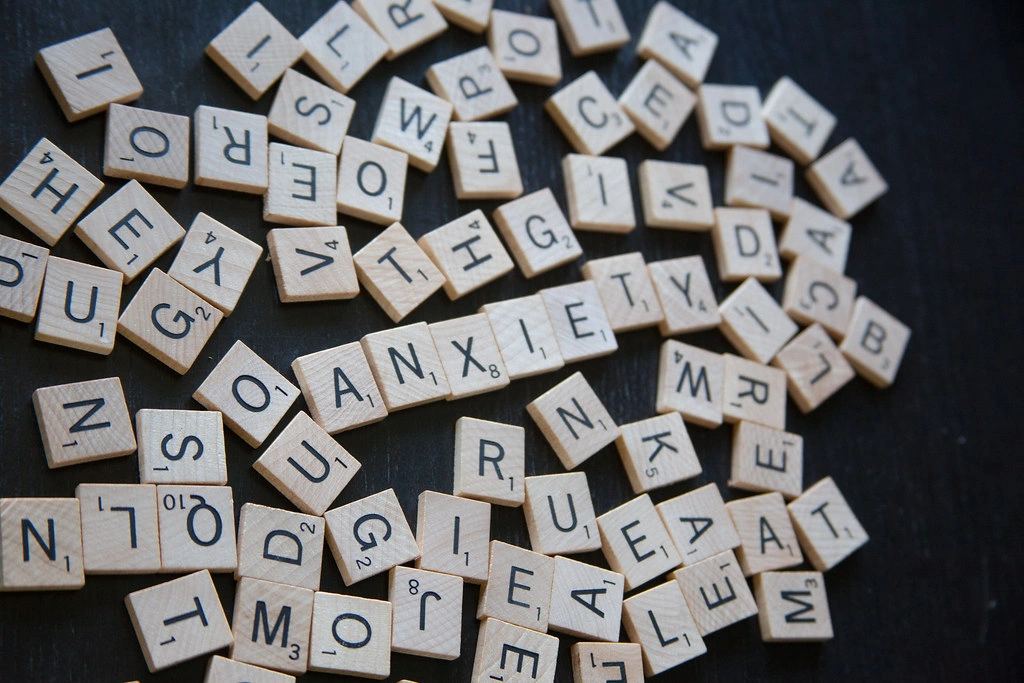
o Word and spelling games
o Mathematical games
o Coding and technology-based resources
These activities can encourage logical thinking, concentration, planning and independent problem solving.
Every child develops differently
Age recommendations are useful when selecting toys, but they should not be treated as a strict measure of a child's abilities.
Children have different interests, strengths and developmental pathways. The right toy is one that is safe, appropriate and engaging for the individual child.
4. Educational Toys for Children With Different Learning Needs
Educational toys can also provide valuable opportunities for children who learn, communicate or interact with the world in different ways.
The key is to focus on the individual child rather than the label.
Some children may benefit from toys that provide additional sensory input, while others may prefer quieter activities with predictable outcomes.
Sensory play
Sensory toys and activities can provide opportunities to explore texture, movement, sound, colour and other sensory experiences.
Examples may include:
o Tactile materials
o Sensory balls
o Textured objects
o Simple musical instruments
o Construction materials
o Water or sand play
o Light and visual activities
Fine motor development
Some children may benefit from activities that encourage grasping, manipulating and coordinating their hands.
Useful options can include:
o Peg boards
o Large-piece puzzles
o Threading activities
o Construction toys
o Playdough
o Posting and sorting activities
Communication and social interaction
Pretend play, puppets, picture-based games and turn-taking activities can create opportunities for children to communicate and interact with others.
Cause-and-effect learning
Toys that respond when a child presses, pulls, pushes or moves something can help children understand cause and effect.
These activities can be particularly useful when a child enjoys repetition and predictable responses.
Choosing for the individual child
There is no single "best" educational toy for every child. Consider the child's interests, abilities, sensory preferences, communication style and the type of play they enjoy.
For children with specific developmental or functional needs, advice from an appropriate professional can also help identify suitable play and learning resources.
5. Educational Toys That Grow With Your Child
One of the advantages of choosing versatile educational toys is that they can continue to be useful as a child's skills develop.
A simple building set, for example, might initially be used to stack blocks. Later, the same materials can be used to create detailed structures, practise counting or explore concepts such as balance and design.
Look for toys with multiple uses
When choosing a toy, ask:
o Can it be used in more than one way?
o Can the activity become more challenging over time?
o Does it encourage the child to make their own choices?
Can an adult and child play together?
Will it continue to interest the child as their skills develop?
Open-ended toys offer flexibility
Toys such as blocks, construction materials, art supplies and pretend-play resources don't have to be used according to a single set of instructions.
This gives children freedom to experiment and allows the activity to become more complex naturally.
Independent play and shared play
Educational toys can support both independent and shared play.
Independent play can encourage children to explore their own ideas, while playing with parents, carers, siblings or educators creates opportunities for conversation, cooperation and modelling new skills.
The goal isn't to make every moment educational
Children need time to play simply because play is enjoyable.
Educational toys are most effective when learning happens naturally through curiosity, experimentation and enjoyment—not when every activity feels like a lesson.